
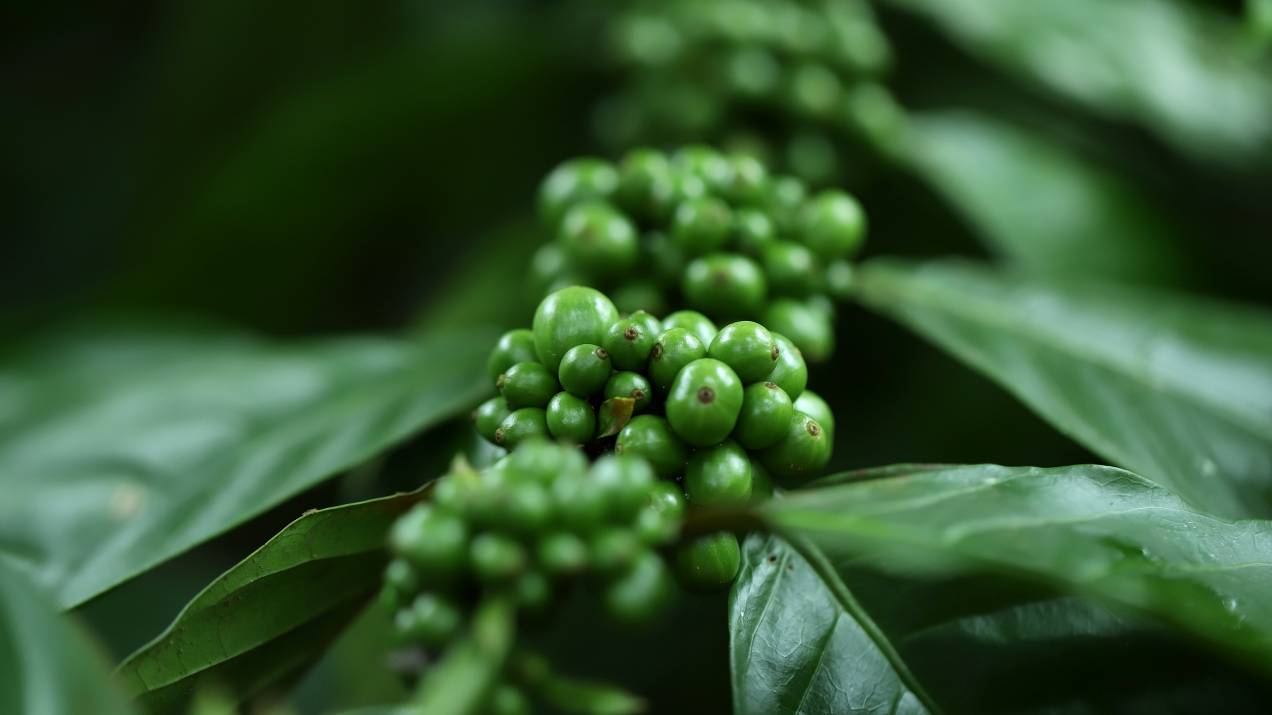
Wholesale Colombian Green Coffee: What a Buyer Should Know
Buying wholesale Colombian green coffee can be a strategic solution for roasters, importers, distributors, coffee brands, and food companies seeking to establish a reliable supply chain from Colombia. However, volume purchasing requires much more than comparing prices—it demands evaluating quality, supplier reliability, commercial terms, logistics, and import requirements.
For an international buyer, understanding these factors prior to closing a transaction mitigates risks and leads to better sourcing decisions. Moreover, specific requirements can vary significantly based on order volume, target market, coffee category, and desired product profile.
In this guide, you will find key considerations for purchasing wholesale Colombian green coffee, spanning supplier selection, international logistics, and total cost calculation.
What does buying wholesale Colombian green coffee mean?
Green coffee refers to raw coffee beans that have been processed and prepared for trade but have not yet undergone roasting. It serves as the primary raw material used by roasters to develop specific roast profiles and finished goods.
When referring to wholesale Colombian green coffee, the term typically describes commercial transactions in which buyers acquire quantities exceeding standard individual consumption or small-scale retail purchases.
Minimum order quantities (MOQ) vary depending on the supplier, coffee grade, and overall contract structure. For this reason, defining supply requirements upfront is essential before requesting a quotation.
Who buys wholesale Colombian green coffee?
Wholesale Colombian green coffee is purchased by various businesses that require high-quality raw material for commercial or manufacturing operations.
Common buyer profiles include:
- Coffee roasters.
- Food importers.
- Coffee distributors.
- Traders and commercial agents.
- Supermarkets and retail chains.
- Food and beverage manufacturers.
- Coffee brands.
- Private-label brands.
- Hotel and restaurant chains (HORECA).
Each buyer type maintains distinct criteria regarding quality, volume, packaging, shipping frequency, and commercial conditions.
Why buy wholesale Colombian green coffee?
Colombia boasts a diverse offering of coffee grown across distinct regions under varying microclimates. This enables buyers to source lots suited to diverse market segments and sensory profiles.
Key advantages of buying wholesale green coffee from Colombia include:
- Access to a wide array of coffee offerings.
- Ability to select specific regions of origin.
- Diverse cup profiles and sensory characteristics.
- Availability of both commercial and specialty grades.
- Opportunities to set up long-term supply programs.
- Access to suppliers with extensive export experience.
- Capability to develop origin-differentiated product lines.
The decision to commit to volume purchases ultimately depends on business requirements, storage infrastructure, processing capacity, and distribution channels.
What should a buyer define before requesting a quote?
A common mistake when sourcing bulk coffee is requesting a generic "Colombian coffee price" without specifying technical requirements.
Before contacting suppliers, buyers should define:
- Type of coffee.
- Required quality grade.
- Origin or growing region.
- Varietal.
- Processing method.
- Cup profile.
- Target volume.
- Packaging specifications.
- Purchase frequency.
- Destination country.
- Destination port.
- Preferred Incoterm.
The clearer these specifications are, the easier it becomes to receive directly comparable quotes from different suppliers.
What types of Colombian green coffee are available for wholesale purchase?
Colombian suppliers export various categories of green coffee. Selection depends on the final product market positioning.
Commercial green coffee
Utilized primarily by large-scale roasters and food processors needing consistent, cost-effective raw materials for mass markets.
Specialty green coffee
Focuses heavily on single origins, specific varieties, experimental processing, full traceability, and elevated sensory scores.
Regional origin coffee
Used to market products that highlight specific Colombian coffee-growing regions and their distinct terroir features.
Blend components
Imported by roasters seeking specific cup attributes to build or balance customized coffee blends.
Which regions produce green coffee in Colombia?
Colombia features numerous coffee-producing departments, including key growing regions such as:
- Antioquia.
- Huila.
- Caldas.
- Quindío.
- Risaralda.
- Tolima.
- Cauca.
- Nariño.
- Santander.
- Norte de Santander.
Geographical and climate factors influence the sensory profile of the coffee bean. As a result, origin is often a critical criterion for buyers seeking product differentiation.
How to evaluate wholesale green coffee quality?
Quality assessment must occur prior to committing to bulk volumes. Buyers should review both physical bean standards and sensory attributes.
Key parameters include:
- Screen size (bean size).
- Moisture content.
- Defect count (primary and secondary).
- Uniformity.
- Origin verification.
- Varietal.
- Processing method.
- Aroma.
- Acidity.
- Body.
- Sweetness.
- Flavor notes.
- Overall cup score.
For roasters, sample roasting and systematic cupping are crucial steps to confirm that the lot aligns with specifications prior to issuing a purchase order.
Why request sample submissions before buying wholesale coffee?
Requesting pre-shipment or pre-purchase samples allows buyers to verify physical and sensory characteristics without financial exposure.
Samples allow roasters to run moisture analysis, screen grading, sample roasts, and cupping evaluations. This confirms whether the lot fits production requirements.
Once approved, the sample parameters serve as a quality baseline for the contracted shipment.
For ongoing supply contracts, defining clear quality acceptance criteria helps ensure lot-to-lot consistency over time.
How to find reliable wholesale Colombian green coffee suppliers?
Selecting the right supplier is critical to transaction success. Suppliers vary in fulfillment capacity, quality control, and international trade capabilities.
Buyers can evaluate various supplier categories:
- Growers/Producers.
- Cooperatives.
- Exporters.
- Traders / Commercializers.
- Specialized coffee brokers.
When selecting a business partner, analyze commercial track record, financial stability, supply capacity, export experience, and documentation handling capabilities.
What information should you request from a coffee supplier?
Requesting complete details facilitates accurate offer comparisons across multiple suppliers.
| Information | What the Buyer Should Verify |
|---|---|
| Origin | Department, municipality, or farm source |
| Quality | Physical specs (moisture, defects) and cupping score |
| Varietal | Specific coffee plant varieties included |
| Process | Washed, Natural, Honey, or experimental methods |
| Volume | Immediate availability and monthly/annual capacity |
| Packaging | Jute bags, GrainPro / Hermetic liners, or bulk containers |
| Pricing | Base price, currency, and quote validity |
| Incoterm | Division of costs, risks, and transport responsibilities |
| Documentation | Phytosanitary, Certificate of Origin, and export compliance docs |
What is the wholesale price of Colombian green coffee?
Wholesale pricing for Colombian green coffee is dynamic. Prices fluctuate according to international market conditions and specific product parameters.
Primary cost drivers include:
- International market benchmark rates (ICE C Market).
- Physical and sensory quality grade.
- Specific region of origin.
- Varietal and processing complexity.
- Cupping score.
- Contract volume.
- Packaging specifications.
- Agreed Incoterm.
- Destination port.
- Freight and logistics costs.
Therefore, buyers should request formal, updated quotations based on exact product specifications prior to evaluating price competitiveness.
Which Incoterm is best for buying coffee from Colombia?
Incoterms define how operational costs, risks, and logistics tasks are allocated between buyer and seller. The ideal choice depends on your internal supply chain capabilities.
| Incoterm | General Consideration |
|---|---|
| FCA | Suitable when the buyer prefers direct control over international freight and insurance. |
| FOB | The seller loads goods onto the designated vessel; buyer handles ocean freight forward. |
| CIF | The seller arranges ocean freight and basic transport insurance to the destination port. |
Buyers should evaluate proposals on an equivalent Incoterm basis to accurately calculate total landed cost.
What documents are needed to import wholesale Colombian coffee?
Documentation varies based on destination market regulations, transaction structures, and import compliance rules.
Standard export paperwork includes:
- Commercial Invoice.
- Packing List.
- Bill of Lading (B/L) or Air Waybill.
- Certificate of Origin (ICO or FTA-related).
- Phytosanitary Certificate.
- Quality Inspection / Grading Certificates.
- Destination-specific import declarations.
Always verify local customs and food safety regulatory requirements prior to dispatching shipments.
How to transport wholesale Colombian green coffee?
Transport modes depend on shipment volume, delivery timelines, target destination, and logistics budget.
For container-level volumes, ocean freight represents the standard, cost-effective transport mode. For sample dispatches or micro-lots, air freight provides faster delivery.
Beyond international freight charges, factor in inland trucking, port handling, customs brokerage, insurance premiums, and destination drayage costs.
How to calculate total landed cost for imported coffee?
The product price quoted by a supplier does not equal your final landed cost. A comprehensive total cost calculation must cover all supply chain expenses.
| Cost Component | Details & Considerations |
|---|---|
| Coffee Price | Base bean price matching agreed specifications |
| Packaging | Specialty liners (GrainPro) or custom bags if extra |
| Inland Freight | Transportation from dry mill to port of export |
| Export Expenses | Port fees, customs clearance, and FNC export contributions |
| Ocean / Air Freight | International transit charges |
| Cargo Insurance | Coverage according to contract Incoterms |
| Import Duties & Taxes | Tariffs governed by destination country laws |
| Destination Local Costs | Terminal handling charges, warehousing, and final delivery |
Accurate landed cost calculations prevent unexpected expenses and protect profit margins.
What volumes can be purchased wholesale?
Available volumes depend on the supplier, region, and coffee category. Some suppliers specialize in micro-lots, while others supply multi-container commercial volumes.
Before closing a contract, confirm:
- Immediate stock availability.
- Monthly supply capacity.
- Annual production outlook.
- Quality consistency across lots.
- Shipment scheduling options.
- Supplier's ability to sustain long-term specifications.
For businesses requiring continuous supply, ongoing fulfillment capacity is just as vital as unit pricing.
How to set up a Colombian green coffee sourcing program?
Buyers requiring recurring shipments can structure long-term sourcing programs with Colombian exporters to streamline inventory management and secure fixed schedules.
A sourcing agreement should specify:
- Coffee grade and profile.
- Region of origin.
- Quality parameters.
- Volume per shipment schedule.
- Purchase frequency.
- Pricing structure (fixed vs. differential).
- Payment terms.
- Packaging specifications.
- Incoterm.
- Port of loading and destination.
- Documentation and compliance rules.
Pre-defining contract terms minimizes operational disruptions and ensures consistent coffee quality.
Common Mistakes When Buying Wholesale Colombian Green Coffee
Purchasing solely on price
Low prices can lead to hidden costs if physical defects, poor cupping scores, or fulfillment delays disrupt operations.
Bypassing sample evaluations
Committing to volume orders without testing physical and sensory quality increases commercial risk.
Failing to specify technical details
Vague agreements regarding moisture levels, defect counts, or screen sizes often result in mismatches between buyer expectations and delivered lots.
Ignoring supplier fulfillment limits
A supplier capable of delivering one lot may not have the capacity to maintain recurring monthly container orders.
Omitting landed cost calculations
Evaluating FOB prices without accounting for freight, duties, port fees, and insurance distorts financial projections.
Overlooking destination import regulations
Import requirements and phytosanitary rules vary by country; non-compliance can cause severe port delays or customs rejections.
How to choose a reliable wholesale Colombian green coffee supplier?
A reliable supplier must provide quality products along with professional commercial and logistical execution for international trades.
| Aspect | Evaluation Criteria |
|---|---|
| Experience | Track record and reputation in coffee exports |
| Product Quality | Physical integrity and sensory cup consistency |
| Sampling | Prompt provision of representative samples |
| Capacity | Scalability to meet requested volume demands |
| Export Proficiency | Proven knowledge of international trade procedures |
| Documentation | Accuracy in preparing export and customs documentation |
| Logistics | Reliability in coordinating inland transport and port booking |
| Commercial Terms | Transparent pricing, clear Incoterms, and structured payment terms |
Wholesale Colombian Green Coffee with Nextstop Trading
Nextstop Trading acts as a trader and supplier of Colombian agricultural exports for international buyers. We streamline procurement for importers, roasters, distributors, and food companies worldwide.
We evaluate requests for wholesale Colombian green coffee based on coffee type, region of origin, quality specifications, volume, packaging, commercial conditions, and destination market requirements.
If your company is seeking a reliable supplier for Colombian green coffee exports, share your requirements with our team to explore supply options.
Looking for Wholesale Colombian Green Coffee?
Share your required coffee type, estimated volume, quality specifications, packaging preferences, and destination country with our team. We will review your requirements to provide a tailored supply solution from Colombia.
Frequently Asked Questions About Wholesale Colombian Green Coffee
What is wholesale Colombian green coffee?
It refers to raw, unroasted coffee beans that have been processed for commercialization and are sold in bulk to roasters, importers, distributors, and manufacturers.
Who can buy Colombian green coffee wholesale?
Roasters, importers, distributors, traders, supermarket chains, food manufacturers, coffee brands, and private-label companies can purchase wholesale green coffee.
Can I request samples prior to placing a bulk order?
Yes. Requesting samples allows you to evaluate physical grade and cup characteristics before committing to larger commercial purchases.
What is the price of wholesale Colombian green coffee?
Pricing depends on quality grades, origin, variety, process, contract volume, C-market pricing, packaging type, Incoterm, and destination logistics.
What is the minimum order quantity (MOQ)?
Minimum volumes depend on the supplier and coffee grade. Some suppliers manage micro-lot quantities, while others handle multi-container supply programs.
Which Incoterms apply when sourcing coffee from Colombia?
Common options include FCA, FOB, and CIF, depending on how responsibilities and shipping logistics are allocated.
How is green coffee shipped from Colombia?
Ocean freight is standard for commercial volumes. Air freight is utilized for samples or small micro-lots where transit speed is critical.
Can I set up an ongoing supply agreement with a Colombian exporter?
Yes. Businesses requiring regular shipments can establish structured sourcing agreements detailing volume, quality, delivery schedules, packaging, pricing, Incoterms, and documentation.
