
Blog
Which Colombian staple foods have the highest demand in Europe?
Which Colombian staple foods have the highest demand in Europe?
Europe has become one of the most attractive destinations for Colombian staple foods. The combination of consumers seeking natural products, multicultural retail chains, and a growing ethnic food industry has created constant commercial opportunities for importers.
However, not all products behave the same. Some foods have massive turnover in Latin supermarkets, others work better in the food industry, and others depend on specific niches such as healthy, organic, or sustainable products.
In this article we analyze which Colombian staple foods have the highest demand in Europe, why they sell, how they are marketed, and what an importer should evaluate before buying them.
The European market: more multicultural and more natural
The demand for Latin American foods in Europe has grown due to three main factors:
- Growth of the Latin American migrant population
- Greater interest in international cuisines
- Trend toward natural and minimally processed foods
This has changed the way staple foods are imported. Previously they were exclusive to ethnic stores; today they are present in conventional supermarkets, marketplaces, and wholesale chains.
For the importer, this means Colombian foods are no longer sold only because of cultural nostalgia, but also because of gastronomic, nutritional, and functional value.
Panela: one of the star products
Colombian panela is one of the fastest growing staple foods in Europe. It is no longer marketed only as a substitute for traditional sugar, but as a premium natural sweetener.
In countries such as Spain, France, and Germany, its consumption has increased in three segments:
- Latin stores
- Organic stores
- Healthy beverage industry
Panela has clear advantages:
- Product without chemical refining
- Mineral profile attractive for nutritional marketing
- Application in hot and cold beverages
- Artisanal product perception
The most demanded formats are powdered, granulated, and small blocks for retail.
Green coffee: permanent industrial demand
Europe is the world's main importer of Colombian green coffee. However, current growth is not concentrated only in large roasters but also in independent roasters and specialty coffee shops.
European importers mainly seek:
- Traceability
- Defined sensory profile
- Consistent lots
- Sustainability certifications
This has allowed Colombian coffee to compete not only on price but on quality and differentiation. In many cases, European buyers pay premiums when the product has an origin story.
Latin rice: constant retail turnover
Long grain white rice is one of the highest volume exports to Europe, especially for markets with a high Latin population.
It is not a premium product but highly stable. Its value lies in repeat purchases and logistical predictability.
It is mainly sold in:
- Latin supermarkets
- International food wholesalers
- Horeca distributors
The key factor here is not branding but consistency in quality and availability.
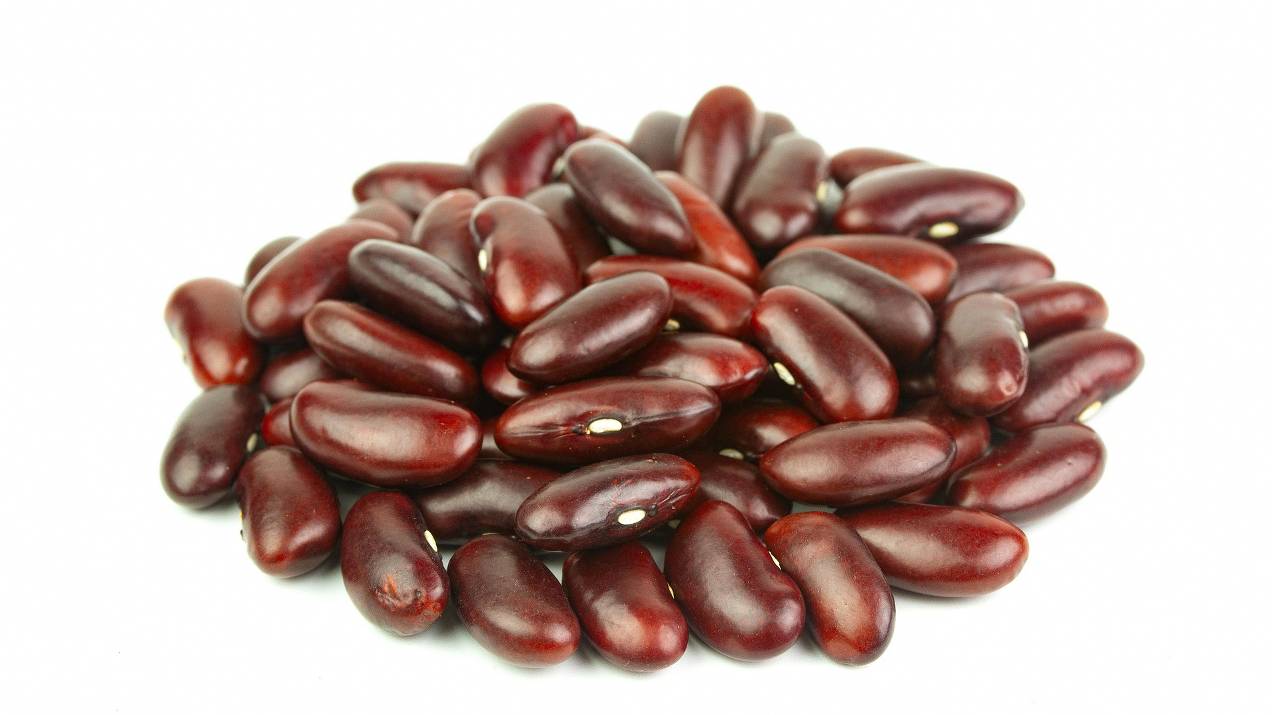
Beans: cultural product with strong loyalty
Colombian beans have a unique characteristic: Latin consumers in Europe maintain traditional eating habits. This generates recurring demand that is difficult to replace with local products.
The varieties with the highest turnover are:
- Red cargamanto beans
- Red bola beans
- Black beans
European buyers value:
- Uniform color
- Stable cooking time
- Low breakage
- Resistant packaging
Raw sugar: industrial demand
Unlike panela, Colombian raw sugar is mainly marketed for industrial use.
European companies use it in:
- Confectionery
- Bakery
- Beverages
- Reprocessing
The purchase volume is usually larger, but the importer especially evaluates logistical stability, documentation, and commercial conditions.
Vegetable oils: growing opportunity
Vegetable oils from Latin America are growing due to global supplier diversification. Europe seeks to reduce dependence on certain traditional origins.
This opens opportunities for:
- Refined palm oil
- Industrial blends
- Vegetable fats for processed foods
In this case the buyer is mainly industrial and evaluates technical specifications more than brand.
What does a European importer really evaluate?
Many exporters believe price defines the purchase. In Europe it does not work that way. The buyer evaluates five key factors:
Supply consistency
Europe prioritizes reliable suppliers. A cheap but unstable product quickly loses market.
Document compliance
The biggest issue in imports is not product quality but documentation errors.
Market adaptation
Not all Colombian packaging works in Europe. Sometimes the product is correct but the presentation is not marketable.
Predictable logistics
The importer needs to know when the cargo will arrive to plan inventories. Logistical uncertainty affects sales.
Long-term commercial relationship
Europe buys for continuity, not one-time opportunities.
The most common mistake: selling a product, not a solution
Many exporters offer foods, but the importer needs something different: a supplier who understands their market.
The European buyer does not only need rice, coffee, or beans. They need:
- Regularity
- Document support
- Correct packaging
- Clear information
When this fails, even a good product stops being purchased.
Europe does not buy like Latin America
A key point is understanding the same food sells differently depending on the country:
- Spain: cultural consumption + retail
- Germany: health focused
- France: gourmet and origin
- Netherlands: wholesale distribution
Therefore, the export strategy must adapt to the destination.
Conclusion
Colombian staple foods have real and sustained demand in Europe. Products such as panela, green coffee, rice, beans, sugar, and vegetable oils have active commercial opportunities, but success does not depend only on the product.
The European importer seeks reliable suppliers, clear logistics, and market adaptation.
Understanding this is what transforms a one-time sale into a permanent customer.
If you want to evaluate the feasibility of importing Colombian foods into Europe with specialized logistics and commercial support, you can contact us here.
