
Blog
Where to buy Colombian panela for commercial import?
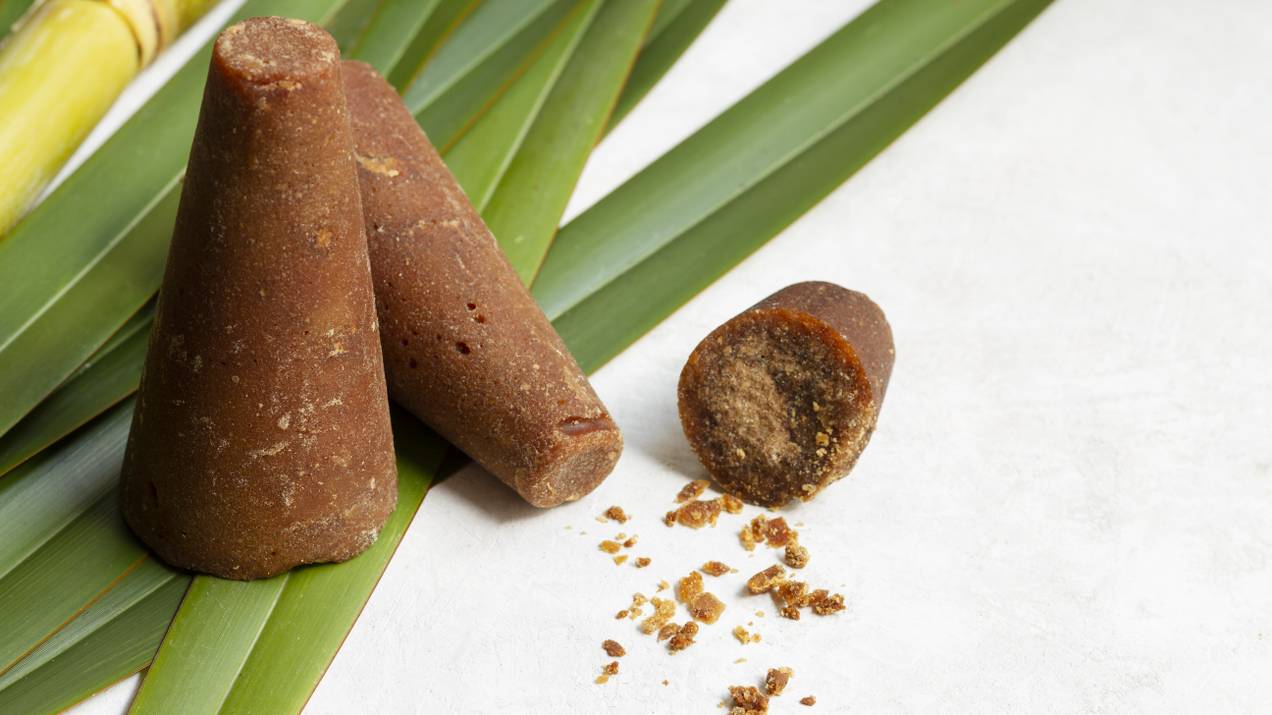
Where to buy Colombian panela for commercial import?
Colombian panela has become one of the most in-demand products within the basic food basket in international markets. Its natural origin, versatility, and growing acceptance in wholesale, retail, and foodservice channels make it an attractive option for importers looking for traditional products with high turnover.
However, for a successful commercial import, it is not enough to know that Colombia produces panela. It is essential to understand where to buy it, who to negotiate with, and how to structure the export operation in a safe and profitable way.
Colombia as a strategic origin for panela
Colombia is one of the world’s leading producers of panela. The product is made from sugarcane and is supported by a well-developed production chain across different regions of the country.
For international importers, this means:
- Consistent product availability.
- Multiple formats and quality options.
- The ability to meet commercial-scale orders.
However, the main challenge is not production itself, but accessing a supplier that can export formally.
Producers vs commercial exporters
One of the most common mistakes when sourcing Colombian panela is contacting small producers or local sugar mills directly.
While they are a critical part of the supply chain, most of them:
- Do not export directly.
- Do not manage international documentation.
- Do not operate under Incoterms.
For commercial imports, the most efficient approach is to work with a commercial exporter that centralizes supply, standardizes quality, and manages the entire export process.
Where to buy Colombian panela for export?
The best option for importers is to purchase Colombian panela through an exporter based in Colombia that acts as a commercial intermediary.
This type of company is responsible for:
- Consolidating supply from different producers.
- Validating quality and specifications.
- Preparing export documentation.
- Coordinating international logistics from origin.
This allows importers to negotiate with a single supplier, reducing risks and lead times.
Most common formats for import
Colombian panela is exported in different formats depending on the destination market and sales channel:
- Block panela.
- Powdered panela.
- Granulated panela.
The selected format impacts packaging, labeling, and sanitary requirements in the destination country.
Requirements the importer must meet
It is important to understand that the Colombian exporter does not replace the importer.
The international buyer must have:
- Legal authorization to import food products.
- Sanitary registration or approval in their country.
- Logistics infrastructure at destination.
The export can be properly managed from Colombia, but the import process is always the responsibility of the buyer.
How export prices are structured?
The export price of panela is not determined solely by the product cost.
Key factors include:
- Purchase volume.
- Format and packaging.
- Negotiated Incoterm.
- Final destination.
For this reason, prices are usually quoted on a case-by-case basis for each operation.
Advantages of working with a Colombian commercial exporter
For importers, working with a commercial exporter offers clear advantages:
- Lower operational risk.
- A single point of contact.
- Foreign trade expertise.
- Greater control over documentation.
This is especially important for mass-consumption food products.
Conclusion
If you are looking for where to buy Colombian panela for commercial import, the key is not contacting isolated producers, but working with a structured exporter that understands international trade requirements.
Proper management at origin simplifies the import process, reduces errors, and ensures supply continuity.
Looking for a Colombian panela exporter?
If your company has the capacity to import food products and is interested in sourcing Colombian panela for your market, Nextstop Group can support you throughout the export process from Colombia.
Contact us here and tell us about your import project.
