
Blog
How to Export Coffee from Colombia? Step-by-Step Guide
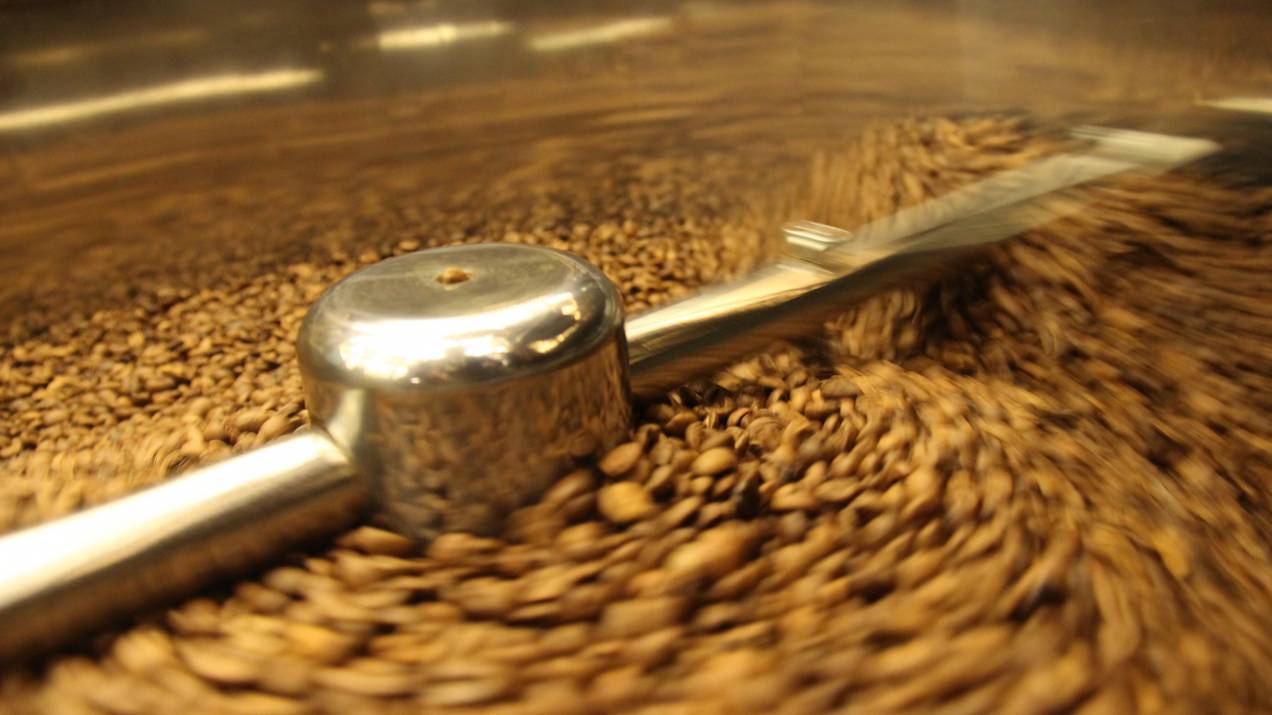
How to Export Coffee from Colombia? Step-by-Step Guide
Exporting coffee from Colombia can represent a commercial opportunity for companies seeking to enter international markets with one of the most recognized Colombian products. However, a coffee export operation requires coordinating several processes: sourcing, quality control, documentation, customs requirements, packaging, international transport, and delivery to the buyer.
The process also varies depending on whether you are dealing with green coffee, roasted coffee, ground coffee, or a product developed under a private label. Therefore, before carrying out the first operation, it is essential to understand which responsibilities belong to the exporter, which to the buyer, and what documents must be prepared.
In this guide, you will find the main steps to structure a coffee export from Colombia, from product selection to its arrival in the destination country.
1. Define the type of coffee you want to export
The first step is to define exactly what product you want to market. Exporting green coffee to an international roaster is not the same as sending roasted and packaged coffee for direct sale to consumers.
Main alternatives include:
| Product | Typical Buyer | Considerations |
|---|---|---|
| Green coffee | Roasters, importers, and distributors | Requires defining quality, bean preparation, and technical specifications. |
| Roasted coffee | Importers, distributors, and retail | Roast profile, packaging, shelf life, and labeling must be considered. |
| Ground coffee | Retail, foodservice, and distributors | Grind size and packaging must adapt to the brewing method and market. |
| Private label | Companies developing their own brand | Requires coordinating product, packaging, label, and buyer specifications. |
2. Find a coffee supplier in Colombia
Once the product is defined, the next step is finding a supplier that can meet the required quality and commercial specifications.
The supplier can be a grower, a processing company, a dry mill (trilladora), a roaster, or a trading company, depending on the type of operation. For an international buyer, negotiating directly with a farm is not always necessary; the important factor is that the supplier can deliver the product with the characteristics and documentation required for export.
Before closing a purchase, it is recommended to request information regarding coffee origin, quality, availability, presentation, minimum quantities, pricing, supply capacity, and experience in international trade operations.
3. Define quality specifications
In the case of green coffee, a quotation should clearly establish what product is being purchased. Broad terms like "Colombian coffee" can be insufficient for a commercial operation.
Depending on the market and the buyer, key variables to define include:
- Type of coffee.
- Quality and commercial classification.
- Origin or region.
- Variety.
- Processing method: washed, natural, or other.
- Screen/bean size.
- Moisture content.
- Permitted defect count.
- Sensory profile.
- Packaging and weight per unit.
For roasted coffee, roast level, grind size, presentation, net weight, packaging type, and finished product characteristics must also be established.
4. Request samples before making a commercial purchase
Samples are an essential tool to verify that the offered product aligns with the buyer's expectations. This is especially relevant when establishing a recurring supply partnership.
For green coffee, the buyer can request samples to perform physical and sensory evaluations. For roasted coffee, they can directly assess cup profile, roast, grind, and presentation.
Once the product is approved, agreed specifications should be clearly documented to minimize discrepancies between the approved sample and commercial shipments.
5. Determine who will act as the exporter
One critical detail to define before operating is who will figure as the exporter of record before Colombian authorities and foreign trade documentation.
The exporter can be the coffee supplier itself or a trading company that purchases the product and manages the export process. The exact setup depends on how the transaction was negotiated and the responsibilities assumed by each party.
This decision is vital because it directly impacts documentation, invoicing, cargo traceability, and export procedure coordination.
6. Review requirements for exporting coffee from Colombia
Prior to shipment, you must verify the requirements applicable to the product and the destination market. Required documentation varies according to coffee type, importing nation, and agreed commercial terms.
Documents that typically form part of an export transaction include the commercial invoice, packing list, transport document, export declaration, and certificate of origin when applicable.
For coffee specifically, additional documents, registrations, or certifications may be required depending on product attributes and final destination. Therefore, reviewing these regulations prior to confirming shipment is strongly advised.
7. Choose the coffee packaging
Packaging must be selected according to coffee type, distribution channel, and transport conditions.
Green coffee intended for international commercial trades can be shipped in various formats, including traditional jute bags and alternative protective packaging solutions designed to safeguard the product during storage and transit.
For roasted coffee, options include bags of various sizes and barrier materials. Selection should consider protection against factors that compromise coffee quality, alongside destination market presentation and labeling guidelines.
8. Review labeling requirements for the destination country
If exporting roasted or ground coffee ready for retail, the label must comply with regulations enforced in the destination country.
Requirements may mandate information such as product name, net weight, origin, importer/responsible party details, ingredient list (if applicable), nutritional facts, and other mandatory local declarations.
Validating label artwork prior to mass printing is recommended. Labeling errors can cause substantial additional costs if packaging material needs to be modified or replaced.
9. Select the Incoterm for the operation
The Incoterm determines how responsibilities, costs, and risks are allocated between buyer and seller. As such, it must be established prior to requesting freight quotes and setting the final price structure.
| Incoterm | General Reference |
|---|---|
| EXW | The buyer assumes most of the operation starting from the seller's facility. |
| FOB | The seller delivers goods onboard the vessel at the named port of shipment. |
| CIF | Includes cost, insurance, and freight to the named port of destination, under Incoterms rules. |
| DAP | The seller delivers goods to the named place of destination, subject to term conditions. |
Selection should reflect the buyer's and seller's capability to handle freight, insurance, customs clearance, and costs at each stage.
10. Request international freight quotes
With product, volume, destination, and Incoterm defined, you can proceed to request freight quotes.
For ocean shipments, it is helpful to know gross weight, cargo volume/units, port of loading, port of discharge, and estimated shipment date. For smaller volumes or samples, air freight should be evaluated.
In addition to ocean/air freight rates, applicable surcharges must be identified to clarify which expenses are included in the quotation and which will be borne by the buyer at destination.
11. Calculate the total cost of exporting coffee
The price of coffee in Colombia does not necessarily reflect the final cost of an export operation. It is essential to build a comprehensive cost breakdown encompassing all associated expenses.
| Cost Component | Examples |
|---|---|
| Product | Coffee cost according to quality and volume. |
| Processing | Milling (trilla), sorting, roasting, grinding, or other required processes. |
| Packaging | Bags, sacks, master cartons, printing, and labeling. |
| Export Processing | Documentation and applicable administrative fees. |
| Logistics | International transport, freight surcharges, and cargo insurance. |
| Importation | Duties, taxes, customs clearance, and handling at destination per trade agreement. |
This breakdown enables setting a realistic landed cost / selling price and evaluating margins available for the buyer and supply chain partners.
12. Prepare export documentation
Once terms are confirmed, product specifications finalized, and logistics coordinated, official export documentation is prepared.
The commercial invoice must accurately detail buyer, seller, commodity description, quantities, unit prices, total value, currency, Incoterm, and pertinent transaction terms.
The packing list should clearly detail cargo breakdown and distribution, while transport documents (Bill of Lading or Air Waybill) must reflect the actual shipment executed.
When the importer requires proof of Colombian origin, a Certificate of Origin must also be issued.
13. Coordinate shipment and cargo tracking
Following preparation, cargo dispatch and loading for international transport are scheduled.
In ocean shipping, monitoring key milestones—such as booking confirmation, cargo gate-in, documentation cutoff, estimated time of departure (ETD), and estimated time of arrival (ETA)—is crucial. Tracking continues in transit until arrival at the destination port.
Seamless communication between supplier, exporter, freight forwarder, customs broker, and buyer minimizes documentation errors and avoids operational delays.
How much coffee can be exported from Colombia?
Export volumes depend on supplier capacity, buyer demand, and operational setup. A business can start with sample shipments or small trial orders before scaling to regular, large-volume purchases.
For green coffee, international buyers structure shipments by bags, lots, or full container loads (FCL). For roasted coffee, volumes are specified by units, cases, pallets, or containerloads depending on the sales channel.
Prior to committing to high volumes, verifying the supplier's actual production capacity and locking in clear quality and delivery terms is recommended.
Common mistakes when exporting coffee from Colombia
One frequent mistake is launching an operation without precise agreement on the coffee profile being purchased. Overly broad descriptions often lead to quality or presentation discrepancies.
Another error is quoting strictly based on raw product price, ignoring processing, packaging, export clearance, and international transport costs.
It is also critical to avoid mass-producing retail packaging before verifying labeling compliance with destination country regulations.
Finally, clearly outlining responsibilities and cost boundaries for every stage from day one prevents misunderstandings between parties.
Exporting coffee with a trading partner
An international buyer does not necessarily need an in-country presence in Colombia to start procuring coffee. Depending on the business model, working alongside a trading company or exporter who coordinates sourcing and export execution offers a streamlined path.
Nextstop Trading works with international buyers looking to source Colombian coffee, coordinating procurement and export management tailored to each transaction's specifications.
This is particularly valuable for businesses with established buyer channels that require assistance structuring sourcing in Colombia and delivering product to the agreed destination.
Conclusion
Exporting coffee from Colombia requires effective alignment across product selection, supplier sourcing, quality control, documentation, packaging, Incoterms, and international freight. Operations run smoothly when every step is defined prior to dispatch.
For first-time buyers, a practical approach is to define product parameters, order samples, vet suppliers, and structure a landed cost model covering product, export expenses, and transport.
If you are looking to source Colombian coffee for export to your market or build a recurring supply program, contact us to discuss your project requirements.
Contact us to structure your Colombian coffee export operation.
Frequently Asked Questions about exporting coffee from Colombia
Can a foreign company buy coffee directly from Colombia?
Yes. You can purchase directly from a Colombian supplier or partner with a trading company to manage sourcing and export operations.
Do I need to own a coffee farm to export?
No. Export operations can be structured through growers, processors, trading companies, or entities meeting export requirements.
Can I export roasted coffee under my own brand name?
Yes. Private label roasted coffee projects are widely supported, provided product, packaging, and labeling comply with destination country regulations.
Can I start by exporting small quantities?
Yes, depending on product type, supplier terms, and transport mode. Samples or trial orders can be utilized to validate products before committing to large volumes.
What shipping methods are used for coffee exports?
Ocean freight is standard for commercial volumes, whereas air freight is commonly evaluated for samples, urgent deliveries, or smaller specialty shipments.
