
Blog
FDA and TTB Compliance for Commercial Importation of Colombian Beer
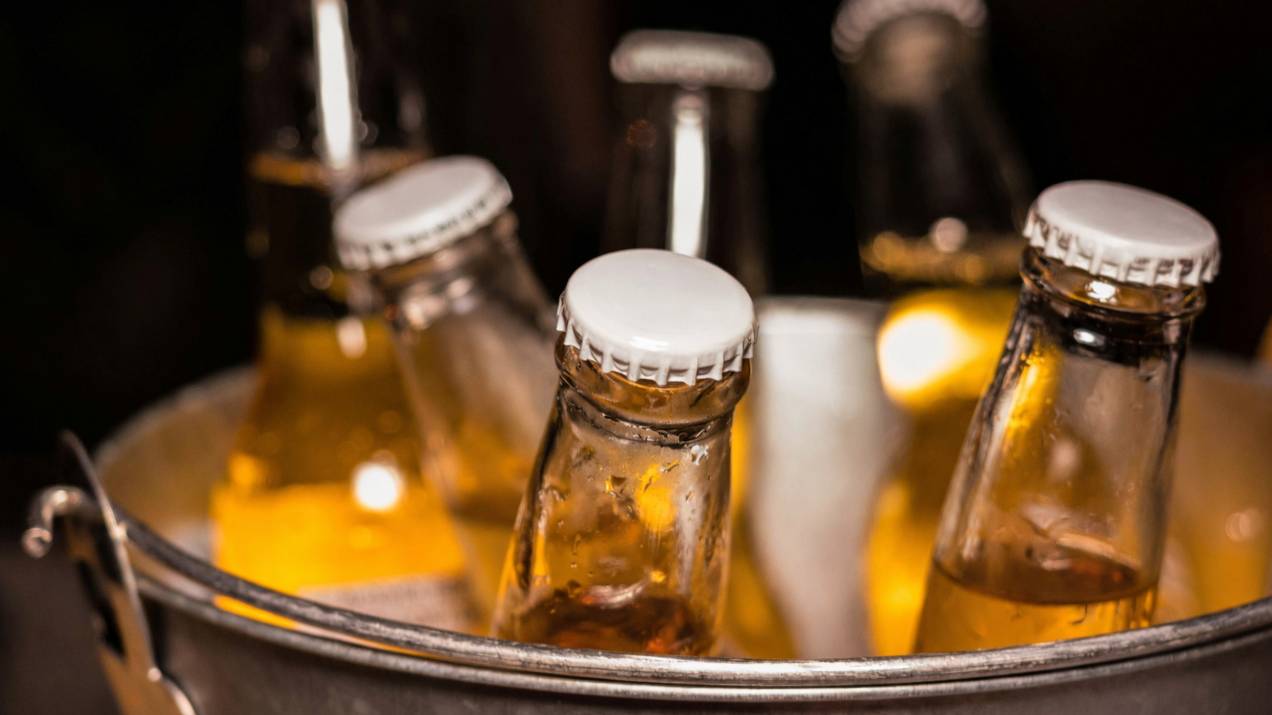
FDA and TTB Compliance for Commercial Importation of Colombian Beer
Compliance with FDA and TTB regulations is one of the most critical factors for the commercial importation of Colombian beer into the United States. For importers, brokers, and distributors, understanding these regulations is not only a legal requirement but also an essential condition to ensure business continuity, avoid penalties, and secure distribution in the U.S. market.
As an alcoholic beverage, beer is subject to a specific regulatory framework involving multiple federal agencies. Proper planning from origin in Colombia allows the import process to be smooth and scalable.
The Role of the TTB in Beer Importation
The Alcohol and Tobacco Tax and Trade Bureau (TTB) is the authority responsible for regulating the importation and commercialization of alcoholic beverages in the United States. For Colombian beer, the TTB is responsible for:
- Authorizing alcoholic beverage importers.
- Regulating the payment of federal excise taxes.
- Approving labels prior to commercialization.
- Supervising product traceability.
Without meeting TTB requirements, beer cannot legally enter the U.S. market.
TTB Importer Permit
Any importer wishing to bring Colombian beer into the United States must hold an active TTB importer permit. This permit allows the importer to:
- Import beer for commercial purposes.
- Distribute it at the wholesale level.
- Comply with applicable federal tax obligations.
The supplier in Colombia does not manage this permit but can guide the importer regarding the requirements for proper application.
Label Approval (COLA)
One of the most relevant steps in the process is obtaining the Certificate of Label Approval (COLA). Each product must have an approved label that includes:
- Beer name.
- Net contents.
- Alcohol by volume (ABV).
- Country of origin.
- Mandatory health warnings.
- U.S. importer information.
Commercializing beer without an approved COLA may result in shipment holds, fines, or product returns.
The Role of the FDA in Beer Importation
Although beer is an alcoholic beverage, it is also subject to Food and Drug Administration (FDA) regulations related to food safety. The FDA requires:
- Registration of the manufacturing facility in Colombia.
- Submission of Prior Notice before shipment.
- Compliance with Good Manufacturing Practices (GMP).
Failure to comply with these requirements may result in the shipment being detained at the port of entry.
FDA and TTB Coordination in the Import Process
For a successful import operation, FDA and TTB requirements must be fully aligned. This includes:
- Consistency between labeling and documentation.
- Proper registration of both the manufacturing facility and the importer.
- Timely submission of notices and approvals.
Lack of alignment between these agencies is one of the main causes of delays and additional costs.
Key Documentation for Regulatory Compliance
In addition to permits and registrations, importing Colombian beer requires precise documentation, including:
- Commercial invoice.
- Packing list.
- International transport documents.
- Approved COLA.
- FDA Prior Notice.
A Colombia-based logistics provider with experience in alcoholic beverages helps coordinate this documentation from origin.
Common Compliance Risks
The most frequent FDA and TTB compliance errors include:
- Unapproved or incorrect labels.
- Incomplete importer registration.
- Failure to submit FDA Prior Notice.
- Inconsistencies across commercial documents.
These mistakes can lead to shipment holds, financial penalties, and lost commercial opportunities.
Compliance as a Competitive Advantage
For importers and distributors, proper FDA and TTB compliance is not only a legal obligation but also a competitive advantage. A well-structured process allows companies to:
- Clear shipments without delays.
- Plan recurring supply schedules.
- Build trust with customers and authorities.
- Scale volumes safely.
Regulatory compliance is the foundation of a sustainable operation in the U.S. market.
Importing Colombian Beer with Regulatory Support
Commercial importation of Colombian beer requires a deep understanding of FDA and TTB regulations. Working with a supplier in Colombia that masters these processes allows importers to focus on distribution and commercial growth.
A well-aligned operation from origin reduces risk and ensures supply continuity.
Contact us to structure your Colombian beer import operation in full compliance with FDA and TTB requirements.
