
Blog
Exporting Colombian rice: commercial and logistics requirements
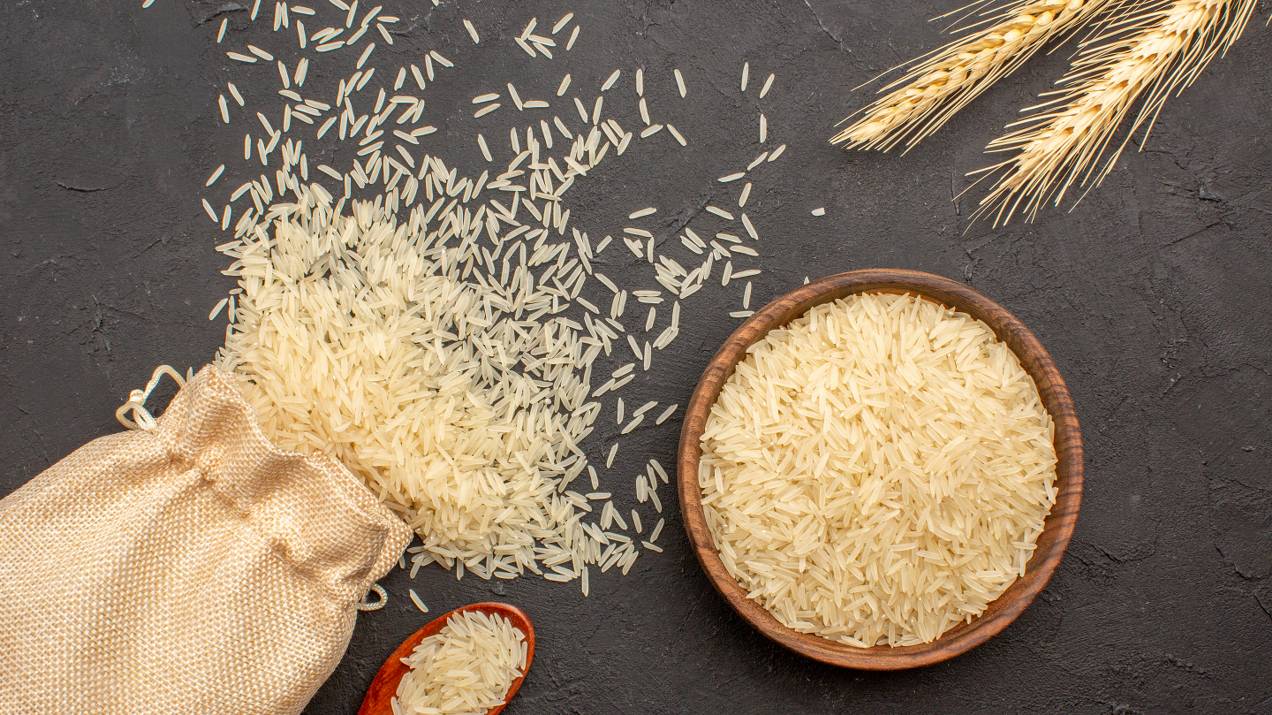
Exporting Colombian rice: commercial and logistics requirements
Colombian rice is a staple product within the basic food basket and an increasingly considered option for importers seeking supply from Latin America. For an export operation to be successful, it is essential to understand both the commercial requirements and the logistics aspects involved.
Beyond the product’s origin, the success of the import depends on proper coordination between exporter and importer, as well as regulatory compliance at each stage of the process.
Colombia as an origin for rice exports
Colombia has a structured rice production sector, with the capacity to meet commercial volumes and adapt to international market requirements.
For importers, this represents:
- Consistent supply throughout the year.
- Different qualities and presentations.
- A strategic location for markets in the Americas and other regions.
However, not all industry players are prepared to export directly.
Commercial exporter vs producer
One of the most common mistakes is confusing the producer with the exporter.
While the producer focuses on cultivation and processing, the commercial exporter is responsible for:
- Consolidating supply.
- Negotiating international terms.
- Managing export documentation and logistics.
For commercial imports, working with a structured exporter reduces risk and simplifies the operation.
Types and presentations of rice for export
Colombian rice can be exported in different formats depending on the destination market and distribution channel.
The most common include:
- White rice.
- Broken rice.
- Bulk or packaged rice.
The chosen presentation directly impacts sanitary and labeling requirements.
Commercial requirements for export
From a commercial perspective, exporting rice requires clear agreements between the parties.
Key aspects include:
- Definition of the Incoterm.
- Minimum purchase volumes.
- Payment terms.
A well-structured negotiation reduces financial and operational risk.
Documentation required to export rice
Exporting rice from Colombia involves preparing specific documentation.
The most common documents include:
- Commercial invoice.
- Packing list.
- Transport document.
- Certificates required by the destination country.
The exporter is responsible for coordinating this documentation at origin.
Key logistics aspects
Rice is a product sensitive to humidity and storage conditions.
Therefore, it is essential to consider:
- Appropriate packaging.
- International transport conditions.
- Transit times.
Poorly planned logistics can affect product quality at destination.
Importer responsibilities
Although the exporter manages the shipment, the importer retains key responsibilities.
These include:
- Food importer registration.
- Compliance with local sanitary regulations.
- Customs clearance and domestic distribution.
Coordination between both parties is essential to avoid delays.
Conclusion
Exporting Colombian rice represents a solid opportunity for importers looking to diversify their supply sources.
Understanding commercial and logistics requirements and working with an experienced commercial exporter facilitates an efficient and secure operation.
Looking to import rice from Colombia?
If your company has the capacity to import food products and is seeking a reliable supplier of Colombian rice, Nextstop Group can support you throughout the export process.
Contact us here to evaluate your import project.
