
Blog
Export of Colombian Food Products to Central America: What You Need to Know
Export of Colombian Food Products to Central America: What You Need to Know
Central America has become a natural destination for Colombian food exports. Geographic proximity, short maritime routes, and market complementarity allow products such as rice, beans, sugar, panela, green coffee, and vegetable oils to have constant commercial opportunities in the region.
However, importing food from Colombia is not just about finding a supplier. It requires understanding responsibilities, sanitary regulations, maritime logistics, and the operational relationship between exporter and importer.
Why Central America is an attractive market?
For many importers, Colombia represents a competitive origin compared to more distant suppliers. Transit times are shorter and allow inventory to be managed with greater flexibility.
Main advantages include:
- Reduced maritime transport times.
- Moderate logistics costs compared to other continents.
- Consistent availability of staple foods.
- Ease of commercial communication due to language and time zone.
These conditions favor long-term supply relationships.
Colombian products with highest demand in the region
Central American markets usually demand high-turnover and mass-consumption foods. Among the most imported from Colombia are:
- White rice for household or institutional consumption.
- Beans and dry legumes.
- Refined or industrial sugar.
- Panela for traditional or industrial use.
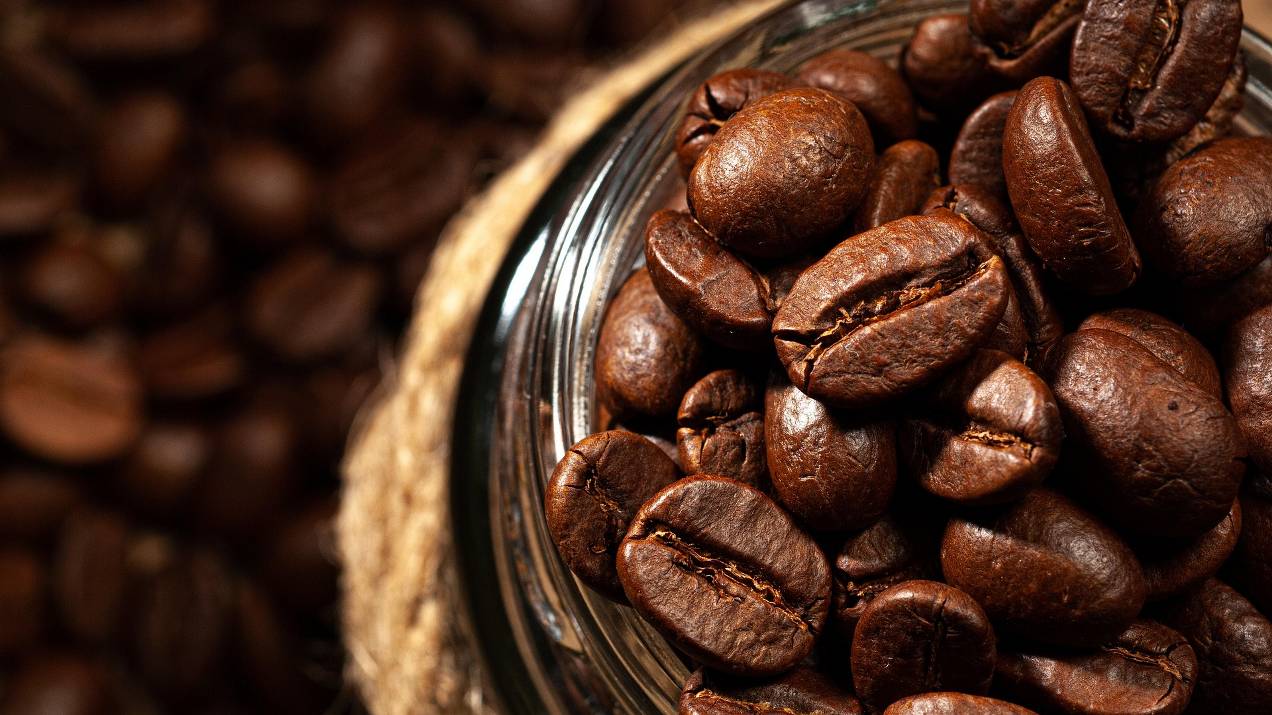
- Green coffee for local roasters.
- Vegetable oils for commercial distribution.
Demand may vary depending on the country, consumption habits, and local agricultural policies.
How operations work between exporter and importer?
In this type of international trade, the Colombian exporter organizes the sale and legal departure of the goods from Colombia, while the importer is responsible for entry into the destination country.
This means the importer must have:
- Registration as a food importer.
- Local sanitary permits.
- A customs broker in destination.
- Storage or distribution infrastructure.
The commercial exporter cannot nationalize the goods in the destination country.
Sanitary requirements in Central America
Each country has its own sanitary authority, but generally importers must process prior sanitary registrations or notifications for food products.
The exporter provides origin documentation, but final approval depends on the local authority of the importing country.
Therefore, it is essential that the buyer validates regulatory feasibility before closing the commercial transaction.
Maritime transport to Central America
Most Colombian food exports to Central America are shipped by sea in dry containers.
The most common ports of departure are:
- Cartagena
- Barranquilla
- Santa Marta
Transit times are usually short compared to other regions, allowing frequent replenishment operations.
Most commonly used Incoterms in the region
For operations with Central America, the most common Incoterms are:
- FOB: the importer controls the maritime freight.
- CFR: the exporter includes international transport.
- CIF: the exporter includes transport and insurance.
The choice mainly depends on the importer’s logistics experience.
Factors influencing the final price
The export price does not depend only on the product cost. It is also affected by:
- Purchase volume.
- Type of packaging.
- International market conditions.
- Logistics and port costs.
Proper planning improves product competitiveness in the destination market.
Common mistakes when importing from Colombia
Some new importers make mistakes that delay operations:
- Not verifying sanitary permits before purchasing.
- Misunderstanding Incoterm responsibilities.
- Not calculating destination costs.
- Buying without local logistics capacity.
Avoiding these mistakes helps build stable commercial relationships.
Conclusion
Exporting Colombian food products to Central America is a solid commercial opportunity when both parties understand their responsibilities.
The exporter handles the operation at origin, and the importer must have the legal and operational capacity to receive and distribute the products in their country.
Proper regulatory and logistics planning ensures sustainable long-term operations.
Looking to source Colombian food products for Central America?
If your company has the capacity to import food products into your market and needs a reliable supplier from Colombia, Nextstop Group can act as your commercial exporter.
Contact us here and let’s evaluate your supply operation.
