
Blog
Export food to the USA without your company importing
Export food to the USA without your company importing
For many supermarkets and Latin grocery stores in the United States, importing food directly can become a complex, costly, and difficult process to manage. FDA requirements, regulatory compliance, international logistics, and operational risks often lead businesses to focus on selling rather than importing.
The good news is that it is possible to access food imported from Colombia without your company having to act as the importer of record. By working with a specialized exporter, supermarkets can receive products that are ready for sale while avoiding the administrative burden of international trade.
Why many companies avoid importing food directly?
While importing may seem attractive from a cost perspective, in practice it represents a significant barrier for small and mid-sized supermarkets. Some of the main challenges include:
- Registration with the FDA as an importer.
- Compliance with the Food Safety Modernization Act (FSMA).
- Management of customs and import documentation.
- Risk of shipment holds or rejections at U.S. ports.
- High logistics costs for limited volumes.
These factors often force retailers to rely exclusively on local distributors, limiting their negotiating power and access to product origin.
Is it possible to sell imported food without being the importer?
Yes. There are commercial models in which the supermarket does not appear as the importer, yet still receives legally imported food that fully complies with U.S. regulations.
Under this structure, the exporter based in Colombia is responsible for:
- Selecting and coordinating suppliers at origin.
- Managing the export process.
- Complying with sanitary and regulatory requirements.
- Ensuring the products arrive in the U.S. market ready for distribution.
The supermarket receives the products without having to manage the import process, simplifying operations and reducing risk.
Types of food that can be exported under this model
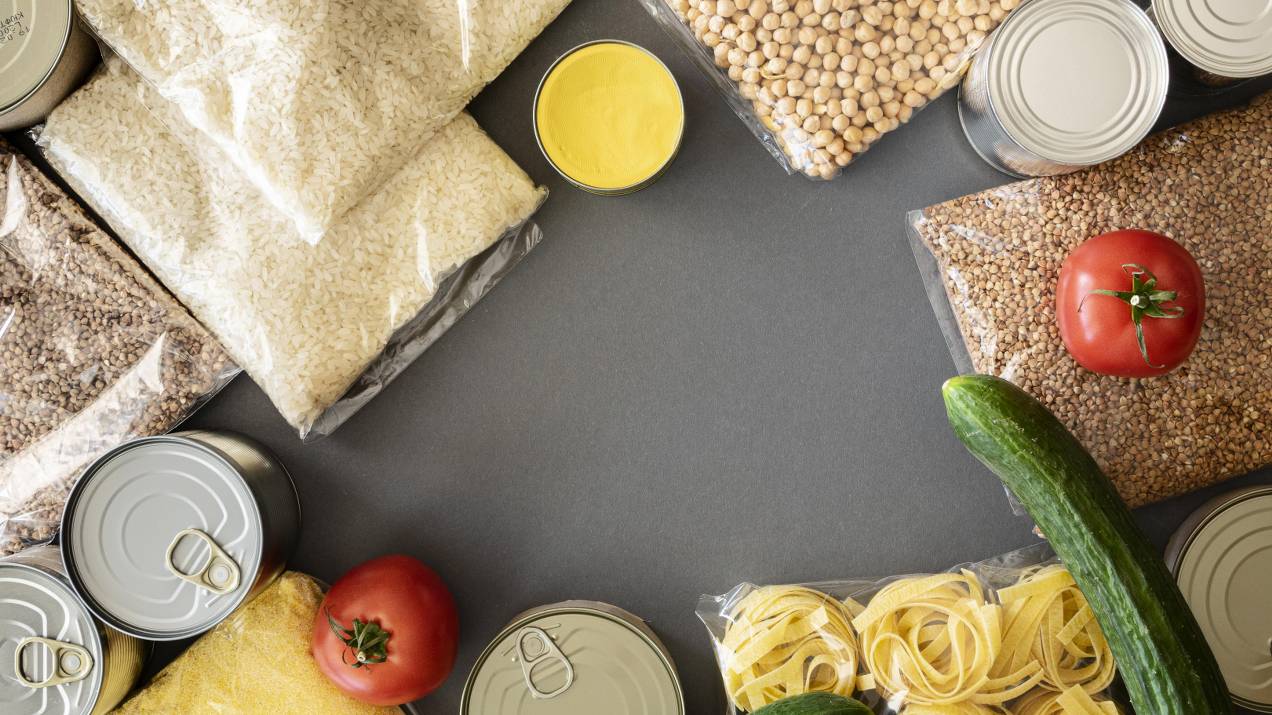
This model is especially suitable for high-rotation, long shelf-life products that perform well in the retail channel. The most common categories include:
- Rice.
- Beans and other legumes.
- Sugar.
- Other dry staple food products.
These products allow for efficient logistics, do not require cold chain management, and maintain consistent demand in supermarkets and Latin grocery stores.
Benefits for supermarkets and Latin grocery stores
Working with an exporter that enables supermarkets to sell imported food without acting as the importer offers several advantages:
- Access to Colombian-origin products.
- Reduced administrative workload.
- Lower regulatory and compliance risk.
- More predictable cost structures.
- Opportunities to develop generic or private label brands.
This approach allows smaller retailers to compete more effectively with large chains without building complex import operations.
Key requirements the exporter must meet
Even when the supermarket is not importing directly, the process must fully comply with U.S. regulations. A professional exporter must ensure:
- FDA registration.
- FSMA compliance.
- Labeling that meets U.S. requirements.
- Complete export documentation.
- Logistics coordination to the agreed delivery point in the USA.
This guarantees that products can be sold without legal or operational issues.
Nextstop Group as a food exporter to the USA
Nextstop Group is a Colombia-based company specialized in the international export and commercialization of food products. It is not a producer, but a strategic partner that connects supermarkets and Latin grocery stores in the United States with reliable suppliers in Colombia.
Its business model supports both companies that import directly and those that prefer to receive imported products without assuming the importer role, facilitating access to international supply.
Key strengths of Nextstop Group include:
- Experience exporting to the United States.
- Strong regulatory and logistics knowledge.
- Flexible solutions for different supermarket sizes.
- Focus on high-rotation staple foods.
Conclusion
Exporting food to the United States without your company importing directly is an efficient and secure alternative for supermarkets and Latin grocery stores. This model reduces risk, simplifies operations, and provides access to competitive products from Colombia.
Working with a specialized exporter makes the difference between relying solely on local intermediaries and building a stronger, more controlled supply strategy.
Contact us here to learn how to receive food products exported from Colombia to the USA without your company having to import.
