
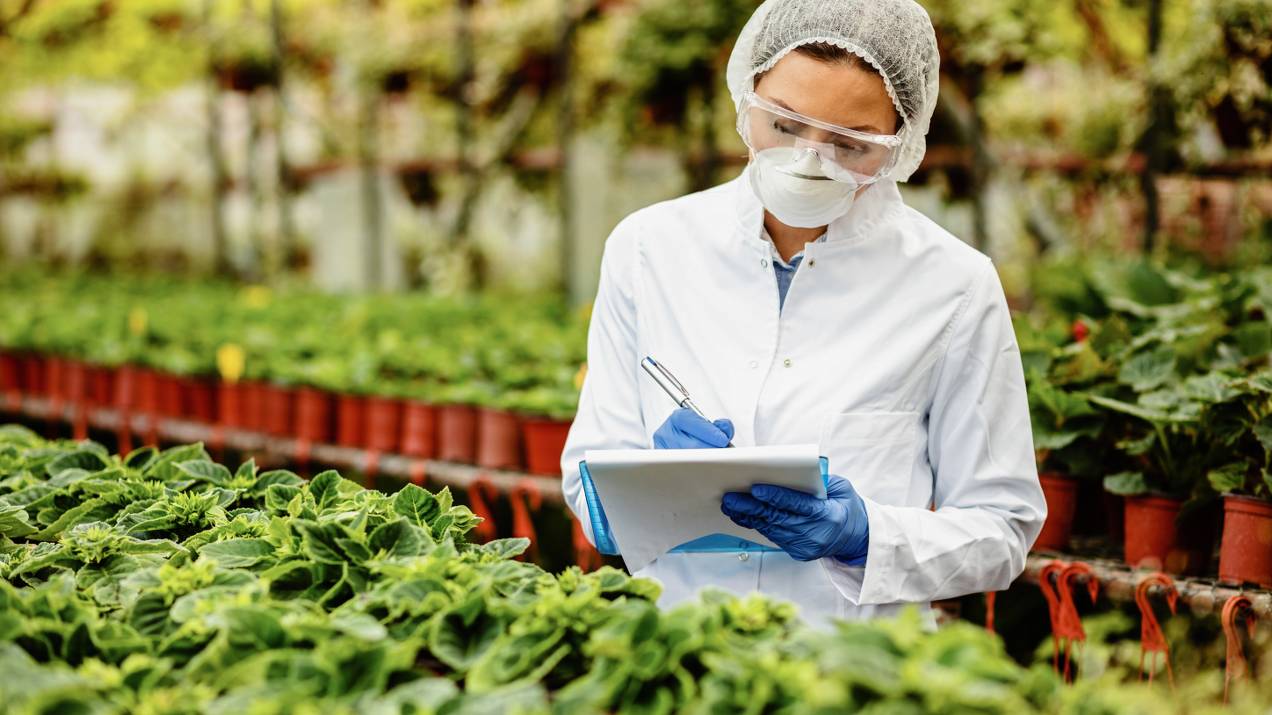
Export Certifications for Colombian Fresh Fruits: GlobalGAP, GAP, and Traceability
When a buyer from a European supermarket chain or a North American wholesale importer evaluates a fresh fruit supplier, one of their first questions isn't the price per kilogram: it's whether the supplier has GlobalGAP. Over the last twenty years, this international Good Agricultural Practices certification has become the de facto standard for accessing high-demand retail channels in Europe and, to a lesser extent, in North America. Without it, many doors simply do not open.
For an importer evaluating Colombia as an origin for fresh oranges or other tropical fruits, understanding the landscape of available certifications in the Colombian citrus sector—what exists, what is in development, and what remains a real barrier—is as important as knowing the fruit's Brix levels or the transit times from Barranquilla. This guide explains what GlobalGAP is, what Colombian Good Agricultural Practices (BPA) are, how origin traceability works, and the real state of certification in Colombia's citrus sector.
What is GlobalGAP and Why Do Importers Require It?
GlobalGAP (Global Good Agricultural Practices) is a private certification system developed by the GLOBALG.A.P. organization (headquartered in Cologne, Germany) that establishes standards for Good Agricultural Practices for the production of fruits, vegetables, and other agricultural products destined for export. It is not a government certification: it is a third-party certification scheme, audited by accredited certification bodies, which international buyers—especially large European and North American retailers—have adopted as an entry requirement for their suppliers.
GlobalGAP covers the following aspects of agricultural production:
- Pesticide Management: Recording of all applied phytosanitary products, dosages, application dates, and compliance with pre-harvest interval (PHI) periods.
- Irrigation Water Quality: Verification that the water used in cultivation does not pose a microbiological or chemical risk to the fruit.
- Harvest and Post-harvest Hygiene: Personnel hygiene practices, condition of equipment and surfaces in contact with the fruit, and waste management.
- Worker Welfare: Labor conditions, occupational safety, and access to sanitary facilities on the farm.
- Environmental Management: Responsible management of pesticide residues, soil and water conservation, and protection of sensitive areas.
- Traceability: A recording system that allows the identification of each batch of fruit's origin from the production farm to the point of sale.
Why Do Importers Demand GlobalGAP?
The demand for GlobalGAP by importers is not arbitrary; it responds to three specific pressures they face in their destination markets:
| Pressure | Description | Why GlobalGAP is the Answer |
|---|---|---|
| Government Regulation | The EU and the USA have strict regulations regarding pesticide residues in imported food. Non-compliance can result in rejections, market withdrawals, and sanctions. | GlobalGAP ensures that the producer manages pesticides according to the MRLs (Maximum Residue Limits) of the destination market. |
| Retailer Requirements | Large European supermarket chains (Tesco, Lidl, Aldi, Carrefour, Albert Heijn) and North American ones (Walmart, Costco, Kroger) require GlobalGAP from their fresh fruit and vegetable suppliers as a supply condition. | Without GlobalGAP, the supplier cannot sell to these retailers; the importer supplying them cannot purchase from a non-certified supplier either. |
| Reputational Risk Management | A food safety incident (excessive pesticide residues, microbiological contamination) in imported fruit can trigger recalls and severe reputational damage. | GlobalGAP provides the importer with auditable evidence that the producer follows safe agricultural practices, reducing legal and reputational risk. |
What are Good Agricultural Practices (BPA) in Colombia?
In Colombia, Good Agricultural Practices (BPA, for its Spanish acronym) are the national certification system for responsible agricultural production, established and managed by the ICA (Colombian Agricultural Institute) through ICA Resolution 30021 of 2017 and its updates. ICA's BPA certification is the national equivalent of international systems like GlobalGAP, adapted to Colombian regulatory and agronomic conditions.
What Does ICA's BPA Certification Cover?
| Module | Evaluated Aspect |
|---|---|
| Farm History and Management | Documentation of land history, records of previous production activities, and farm identification. |
| Propagation Material | Use of certified, disease-free plant material for planting or crop renewal. |
| Soil Management | Soil analysis, fertilization program, and management of erosion and compaction. |
| Water Management | Irrigation water analysis, adequate irrigation systems, and prevention of water source contamination. |
| Integrated Pest and Disease Management (IPDM) | Pest monitoring, records of pesticide applications, compliance with PHIs, and use of ICA-registered products. |
| Harvest and Post-harvest | Hygiene conditions during harvest, internal transport, storage, and packaging. |
| Worker Welfare | Provision of protective equipment, sanitary facilities, and safety training. |
| Environment | Management of solid and liquid waste, protection of water sources, and management of pesticide containers. |
| Traceability | Batch identification system from the farm to the exit of the collection center. |
Is ICA's BPA Certification Equivalent to GlobalGAP?
This is a frequent question, and the honest answer is: partially, but not completely for the most demanding markets. ICA's BPA certification covers aspects similar to GlobalGAP and is recognized as evidence of good practices at a national and intra-regional level (Latin American markets). However, large European and North American retailers generally specifically demand GlobalGAP—the internationally recognized standard audited by certification bodies accredited by the IAF (International Accreditation Forum)—and do not always recognize Colombian BPA as a sufficient equivalent for their sourcing policies.
For a European importer supplying Tesco, Albert Heijn, Lidl, or Carrefour, the Colombian supplier generally needs GlobalGAP certification, not just ICA's BPA. For wholesale importers who do not supply large retailers directly or who operate in less regulated markets, Colombian BPA may be sufficient.
Status of Certification in the Colombian Citrus Sector
The landscape of certifications in the Colombian citrus sector is heterogeneous and still developing. This reality must be clear to any importer evaluating Colombia as an origin:
| Certification Type | Status in Colombia (Fresh Oranges) | Implication for the Importer |
|---|---|---|
| ICA Certified BPA | Available and expanding. A growing number of citrus farms, especially in Antioquia and Valle del Cauca, have active BPA certification. | Suitable for importers in Latin American markets and for wholesalers who do not explicitly require GlobalGAP. |
| GlobalGAP | Limited in the Colombian citrus sector. Adoption is significantly lower than in sectors like avocado or banana, where GlobalGAP is more widespread. Some leading exporters already have or are in the process of obtaining GlobalGAP for oranges. | Importers who need GlobalGAP as a requirement must explicitly verify with the exporter if their supplier farms have this active certification. |
| Certified Organic (USDA Organic / EU Organic) | Very limited in Colombian fresh oranges. Certified organic citrus production for export exists on a very small scale. | Not available as a regular high-volume export offering at this time. Importers requiring certified organic oranges must seek other origin alternatives. |
| FSSC 22000 / BRC / IFS (Food Safety) | Available in some post-harvest centers and packing houses, especially in Valle del Cauca. Less widespread in citrus zones of Antioquia and Meta. | Relevant for retail importers who require the packing center to be certified as well, not just the production farm. |
| Rainforest Alliance / Fair Trade | Present mainly in Colombian bananas and coffee. Very limited in oranges. | Not a standard offering available for Colombian oranges at this time. |
Traceability: The Requirement That Transcends Certifications
Even when a supplier does not have GlobalGAP or BPA, there is a minimum information requirement that serious importers demand and that must be available for any shipment: product traceability.
Traceability is the ability to track the journey of a batch of fruit from the farm of origin to the point of sale, with enough detail to identify the source of a problem if an anomaly in quality or pesticide residues is detected. For the importer, traceability is not just a regulatory requirement: it is the evidence they need to respond to their customer (the retailer or wholesaler) if something goes wrong.
Minimum Information a Colombian Exporter Must Provide
| Traceability Level | Required Information | Typical Format |
|---|---|---|
| Farm Identification | Name of the farm, municipality, and department of origin, geographic coordinates (whenever possible), and producer's name. | Field in the packing list or on the box label. |
| Batch/Lot Identification | Unique lot number that allows linking the shipment to the origin farm, harvest date, and record of pesticides applied. | Alphanumeric code on the box label; referenced in the invoice and packing list. |
| Harvest Date | Exact date or range of harvest for the shipped batch. | Field in the packing list and on the box label. |
| Variety and Size | Orange variety (Valencia, Tangelo, common orange) and classified size/caliber (in mm). | Box label and packing list. |
| Pesticide Application Record | History of pesticide applications for the harvested batch: products, dosages, application dates, and completed PHI periods. | Producer's field logbook; post-harvest operator's recording system. |
| Post-harvest Center | Name and location of the facility where selection, packaging, and degreening (if applicable) took place. | Field in the export documents. |
Backwards and Forwards Traceability
Modern traceability systems must work in both directions. Backwards traceability allows going from a batch of fruit at the point of sale back to the farm where it was grown. Forwards traceability allows identifying all distribution points where the fruit from that batch arrived starting from the farm of origin—which is indispensable for executing an efficient market recall if a problem is detected in the product.
For European importers in particular, backwards traceability to the farm is a requirement becoming mandatory under new EU regulations (Supply Chain Due Diligence Regulation). Increasingly, knowing the country of origin is not enough: the retailer and the regulator demand to know the specific farm.
How to Verify a Colombian Exporter's Certifications
An importer who needs to verify if a Colombian exporter has the certifications they claim can do so through the following channels:
| Certification | How to Verify |
|---|---|
| GlobalGAP | The GLOBALG.A.P. website (database.globalgap.org) has a public database of all certified producers and operators with certificate numbers, certification scope, and expiration dates. Importers can search directly by producer name or GGN (GLOBALG.A.P. Number). |
| ICA's BPA | ICA maintains a registry of farms with active BPA certification. The Colombian exporter can provide the certification resolution number issued by ICA, which the importer can verify by contacting the ICA office directly. |
| ICA Export Phytosanitary Certificate | Each phytosanitary certificate has a unique number that can be verified with ICA. The importer can request the certificate numbers from previous shipments from the exporter to verify their authenticity. |
| Packing Center's FSSC 22000 / BRC / IFS | Accredited certification bodies (SGS, Bureau Veritas, Intertek, DEKRA, etc.) maintain databases of their certified clients. The exporter can provide the certificate with the body and certificate numbers for direct verification. |
The Path to GlobalGAP for the Colombian Exporter: What It Entails
For an importer working with a Colombian exporter who does not yet have GlobalGAP but is in the process of obtaining it, it is useful to understand what that process involves and the expected timeframes:
- Phase 1 — Initial Diagnosis (2–4 weeks): The certification body performs a diagnostic audit (pre-audit) to identify non-compliance points against the GlobalGAP standard. In farms without certification experience, between 30 and 80 points for improvement can often be found.
- Phase 2 — Implementation of Improvements (3–9 months): The producer implements the necessary changes: recording systems, hygiene infrastructure, water and soil analysis, and personnel training. The time depends on the farm's starting point.
- Phase 3 — Certification Audit (1–2 days): The certification body performs the formal audit. Detected non-compliance points must be resolved before the certificate is issued.
- Phase 4 — Certificate Issuance: The GlobalGAP certificate is valid for one year, with a follow-up audit required before expiration for renewal.
The total cost of the GlobalGAP certification process for a Colombian citrus farm varies according to farm size and the chosen certification body, but it can range between USD 2,000 and USD 8,000 including consultancy costs, infrastructure improvements, and certification body fees.
What the Importer Can Demand Based on Their Distribution Channel
| Importer Distribution Channel | Typical Certification Requirement | Can Colombia Meet It Today? |
|---|---|---|
| Large European Retail Chains (Tesco, Albert Heijn, Lidl, Aldi, Carrefour) | Mandatory GlobalGAP; in some cases FSSC 22000 for the packing center as well. | Partially: some leading exporters have GlobalGAP; supply is limited but exists. |
| Regional Supermarkets and Mid-sized Chains in Europe | GlobalGAP preferred but not always mandatory; Colombian BPA may be acceptable with prior agreement. | Yes, with the right exporter. |
| Wholesale Importers for Horeca and Wholesale Markets | ICA Phytosanitary Certificate + basic batch traceability; GlobalGAP not always required. | Yes; this is the segment where Colombia has the most available supply today. |
| North American Retail Chains (Walmart, Costco, Kroger, Whole Foods) | GlobalGAP or GFSI-recognized equivalent certification (Primus GFS, SQF, etc.); USDA/APHIS protocol. | Partially; the combination of GlobalGAP + USDA protocol is the most demanding requirement and where Colombian supply is more limited. |
| Industrial Juice Processors | ICA Phytosanitary Certificate + compliance with destination country MRLs; BPA or GlobalGAP from the fresh fruit provider may be required depending on the processor's quality program. | Yes, with verification of MRL compliance. |
| Traders and Wholesale Brokers | ICA Phytosanitary Certificate + basic traceability; final destination requirements determine what else is needed. | Yes for most wholesale destinations. |
Frequently Asked Questions on Colombian Orange Certifications for Importers
Can I import Colombian fresh oranges into Europe without the producer having GlobalGAP?
Yes, it is technically possible. GlobalGAP is not a legal requirement for importing fresh fruit into the European Union: it is a commercial requirement imposed by private retailers on their suppliers. If the importer sells through the wholesale channel, Horeca (hotels, restaurants, catering), or distributors that do not demand GlobalGAP from their suppliers, they can work with Colombian oranges with ICA BPA and a phytosanitary certificate without needing GlobalGAP. If the importer sells to supermarkets that do demand it, then GlobalGAP at the supplier farm is a necessary condition.
Are pesticide residue analyses done in Colombia before shipping or in the destination country?
They can be done at both points. Colombian exporters with good practices perform pesticide residue analyses before shipping as their own control, using accredited laboratories in Colombia. In the destination country, health authorities may perform random analyses of incoming shipments. For European importers, the main risk is that pesticides applied in Colombia exceed EFSA MRLs, which in some cases are stricter than Colombian limits. The exporter must know and respect the specific destination market MRLs, not just the Colombian national limits.
How do I know if the pesticides used on Colombian oranges are compatible with European MRLs?
The most direct way is to request the record of pesticides applied to the batch to be shipped from the exporter and cross-reference it with the EFSA MRL database (pesticodes.eu), which is public and free. An exporter with experience in the European market should already have identified which phytosanitary products they use and if their residues comply with European MRLs. If the exporter cannot provide this information or does not know the European MRLs, it is a red flag regarding their level of readiness for that market.
Does digital traceability already exist in the Colombian citrus sector?
In an incipient way. Some leading exporters and high-tech post-harvest centers use digital recording systems that allow consulting a batch's history (origin farm, harvest date, pesticides applied, packing date) through a code on the box. However, full digital traceability from the farm to the final consumer is still the exception, not the norm, in the Colombian citrus sector. Most traceability is managed in physical documents (field logbooks, post-harvest center records) that exist but are not digitized or accessible in real-time to the importer.
Conclusion
The certification landscape of the Colombian citrus sector is in a moment of transition: developed enough for wholesale importers, processors, and distributors to find suppliers with correct basic documentation (ICA BPA, phytosanitary certificate, batch traceability), but still developing for higher-demand retail markets that require GlobalGAP throughout the entire supply chain.
For an importer evaluating Colombia with the expectation of directly supplying large European or North American supermarket chains, the recommendation is clear: explicitly verify if the exporter you are working with has active GlobalGAP at the supplier farms—do not assume they have it. For the importer working in the wholesale channel, Horeca channel, or with processors, Colombia can currently offer a product with the traceability and phytosanitary quality guarantees that those markets require.
If you are evaluating the possibility of importing fresh oranges from Colombia and want to know the current status of our certifications and the traceability guarantees we can offer for your specific distribution channel, contact us directly and we will respond with concrete information and no obligation.
