
Colombian Specialty Coffee: Guide for International Buyers
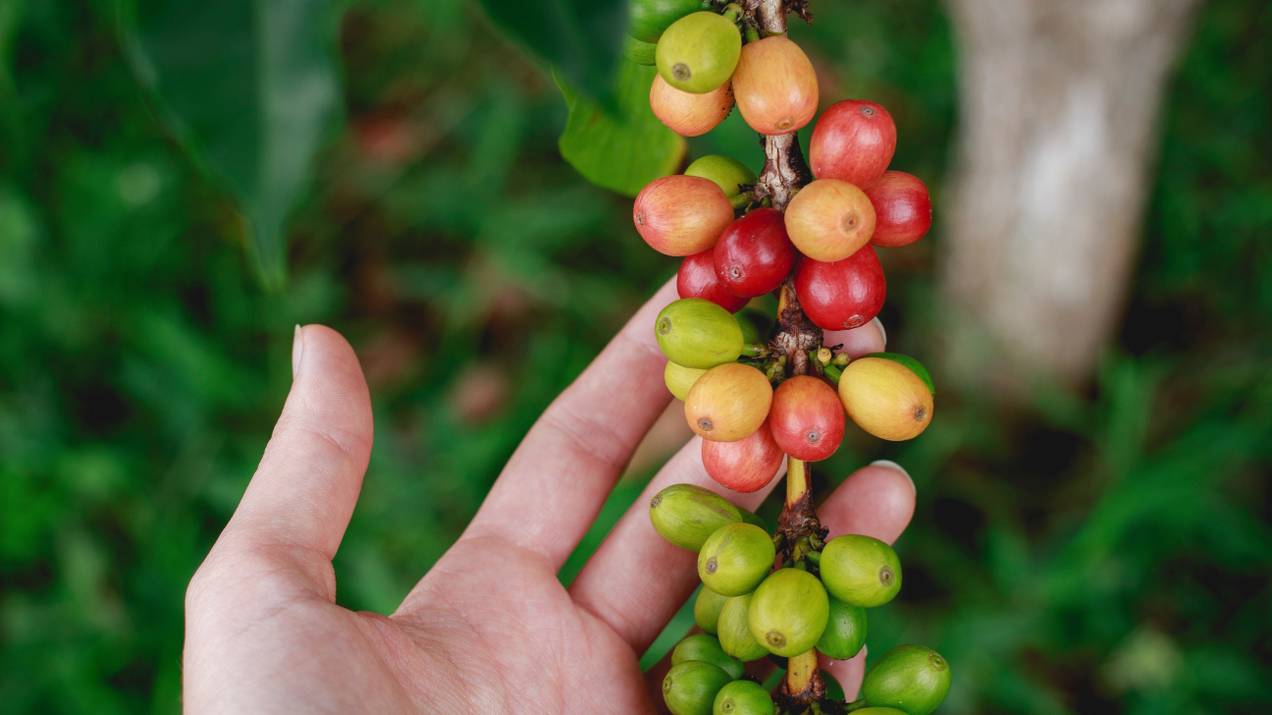
Colombian specialty coffee is an attractive option for roasters, importers, distributors, and brands looking to offer differentiated coffees in international markets. Its diversity of regions, varieties, processes, and cup profiles allows buyers to find options tailored to their specific market needs.
However, buying specialty coffee from Colombia requires evaluating much more than just product origin. Lot quality, sensory profile, traceability, consistency, available volume, commercial terms, and supplier capability are all crucial factors when structuring an international procurement process.
In this guide, you will find the key aspects that international buyers of Colombian specialty coffee must consider—from product selection and sample evaluation to export procedures and international logistics.
What is Colombian specialty coffee?
The concept of specialty coffee refers to coffees that exhibit distinct quality characteristics and sensory attributes that can be recognized and valued by buyers and consumers alike.
In Colombia, these coffees originate from various growing regions and display specific traits related to variety, altitude, processing method, agricultural practices, and environmental conditions.
It is important to distinguish specialty coffee from physical bean grading. A commercial grade such as Excelso, for example, does not inherently define a coffee as specialty. Sensory evaluation and specific lot attributes are essential to making that determination.
Why buy Colombian specialty coffee?
Colombia offers a broad diversity of coffees that can adapt to different segments of the international market. For a roaster or importer, this variety makes it possible to develop products with distinct value propositions based on origin, variety, or sensory profile.
Key reasons to consider purchasing Colombian specialty coffee include:
- Rich diversity of coffee-growing regions.
- Wide spectrum of cup profiles.
- Diverse coffee varieties.
- Multiple processing methods.
- Opportunity to offer single-origin coffees.
- Options tailored to various market segments.
- Possibility of establishing recurring supply programs.
- Access to suppliers with international trade expertise.
The ideal choice will depend on the final product profile the buyer aims to develop and the target consumer market.
What are the characteristics of Colombian specialty coffee?
Specialty coffee can present distinct characteristics depending on specific lot conditions. For international buyers, core evaluative attributes include:
- Origin.
- Variety.
- Altitude.
- Processing method.
- Cup profile.
- Aroma.
- Acidity.
- Body.
- Sweetness.
- Flavor notes.
- Uniformity.
- Physical quality.
- Traceability.
These factors should be analyzed collectively to determine whether a given lot fits the buyer's product specifications.
Which regions produce specialty coffee in Colombia?
Colombia features numerous coffee-producing regions. Areas well known for offering differentiated coffees include Antioquia, Huila, Caldas, Quindío, Risaralda, Tolima, Cauca, Nariño, and Santander, among others.
Regional microclimates create notable variations in cup profiles. Factors such as altitude, weather patterns, soil composition, cultivated varieties, and post-harvest methods all contribute to these differences.
For an international buyer, origin serves as a strategic branding element, especially when developing product lines focused on geographical provenance.
Why is coffee variety important?
Botanical variety is a major factor shaping a specialty coffee's profile. Different varieties express distinct agronomic traits and sensory attributes depending on growing conditions and processing.
For buyers, understanding the variety provides clarity on the product being acquired and helps set precise technical parameters for future purchases.
When coffee is marketed as a premium or single-origin product, variety information is also valuable for communicating product story and value to the end consumer.
How does processing affect Colombian specialty coffee?
Post-harvest processing significantly impacts a coffee's final sensory profile. Understanding the specific processing method used is essential for buyers seeking target flavor characteristics.
Across Colombian coffee production, different processing techniques yield distinct flavor spectra—ranging from clean and bright washed profiles to complex, fruit-forward naturals and honeys.
Buyers should evaluate processing alongside origin, variety, and physical lot quality, rather than assessing any single factor in isolation.
How to evaluate Colombian specialty coffee quality?
Specialty coffee quality must be assessed using a combination of physical bean analysis and sensory cupping. This ensures the product meets contract specifications and buyer expectations.
| Aspect | What to Evaluate |
|---|---|
| Green Bean | Visual appearance, screen size, uniformity, and physical condition |
| Moisture | Moisture content percentage and overall lot stability |
| Defects | Defect count and defect types present in the sample |
| Roasting | Bean performance and roast development during sample roasting |
| Cup Profile | Aroma, acidity, body, sweetness, flavor notes, and balance |
For professional buyers, performing a complete sample evaluation prior to confirming a volume contract is a recommended standard practice.
Why request specialty coffee samples?
Samples allow buyers to test product quality before committing to larger commercial orders. For roasters, pre-shipment samples provide the opportunity to conduct roast profiling and cupping sessions.
Evaluating a sample helps confirm:
- Whether the cup profile matches target specifications.
- How the coffee responds to production roasting profiles.
- If physical green grading meets contract standards.
- Whether the coffee aligns with target market expectations.
- If the supplier can deliver consistent lot characteristics.
Once approved, the sample profile serves as a benchmark for quality control on subsequent shipments and recurring supply programs.
How to conduct a sample roast evaluation?
Roasters perform sample roasts to analyze green coffee behavior and evaluate flavor development post-roast.
During roast testing, evaluators assess:
- Roast development and heat absorption.
- Roast color uniformity.
- Fragrance and aroma.
- Acidity structure.
- Body and mouthfeel.
- Sweetness level.
- Flavor notes and complexity.
- Balance.
- Aftertaste persistence.
- Overall cup score and profile.
Evaluation protocols may vary depending on internal roastery standards and the type of coffee being evaluated.
How to select specialty coffee based on your target market?
The right coffee selection depends on the end product type and target consumer profile. A high-end single-origin micro-lot requires different specifications than a high-volume premium blend component.
| Product Category | Buyer Priorities |
|---|---|
| Specialty / Micro-lot | Distinct cup profile, origin narrative, variety, processing, and traceability |
| Single Origin | Regional provenance, signature sensory traits, and lot consistency |
| Private Label | Consistent quality, reliable volume, competitive pricing, and supply continuity |
| Premium Commercial | Sensory balance, physical uniformity, packaging, and scale |
Defining final product goals early streamlines coffee selection and allows for more precise supplier requests.
What information should a buyer request from a supplier?
Requesting complete technical data enables accurate product evaluation and fair comparisons between Colombian vendors.
It is best practice to request:
- Origin region.
- Farm or producer details (where applicable).
- Botanical variety.
- Growing altitude.
- Processing method.
- Grade / Quality tier.
- Target cup profile / Score.
- Moisture content percentage.
- Screen size (grain size).
- Defect count.
- Available volume.
- Packaging specifications.
- Price quote.
- Proposed Incoterm.
- Port of origin.
- Available export certifications/documentation.
Having complete information upfront simplifies decision-making and ensures alignment with procurement requirements.
How to find a Colombian specialty coffee supplier?
International buyers can source Colombian specialty coffee through producers, grower associations, cooperatives, exporters, and specialized trading companies.
When evaluating potential suppliers, consider:
- Coffee industry expertise.
- Export experience and track record.
- Supply volume capacity.
- Sample availability and turnaround.
- Product portfolio quality.
- Documentation and compliance capabilities.
- Logistics execution capacity.
- Long-term supply continuity.
The best supplier is not necessarily the one offering the lowest price, but the partner who delivers consistent quality and executes international trade efficiently.
What is the price of Colombian specialty coffee?
There is no fixed price for Colombian specialty coffee. Pricing varies significantly depending on lot quality, rarity, market conditions, and operational variables.
Primary price factors include:
- Quality grade and cupping score.
- Cup profile complexity.
- Origin region and micro-lot status.
- Variety.
- Processing method (e.g., experimental vs. traditional).
- Order volume.
- Lot availability.
- Packaging type (e.g., GrainPro liners, vacuum packs).
- Market supply and demand dynamics.
- Agreed Incoterm.
- Destination port.
- Logistics and freight costs.
Buyers should request updated, detailed quotations based on clear, standardized specifications.
How to buy wholesale Colombian specialty coffee?
Bulk specialty purchasing requires verifying that the supplier can maintain quality consistency across larger quantities and ongoing shipments.
Before confirming volume orders, buyers should verify:
- Immediate available volume.
- Monthly/seasonal supply capacity.
- Future crop availability.
- Lot-to-lot consistency mechanisms.
- Packaging specifications.
- Shipment scheduling options.
- Commercial and payment terms.
- Export documentation capabilities.
- Inland and export logistics support.
Roasters and importers with recurring demand should discuss structured supply programs from the outset.
Which Incoterm to use when buying specialty coffee from Colombia?
Incoterms define how obligations, transport costs, and risks are allocated between buyer and seller. Common terms for Colombian coffee operations include:
| Incoterm | General Description |
|---|---|
| FCA | Suitable when the buyer wants to manage international shipping and insurance directly from the origin point. |
| FOB | Seller delivers cargo loaded on board the vessel at the agreed port of origin. |
| CIF | Seller covers ocean freight and cargo insurance up to the named destination port. |
Select the option that aligns best with your company's logistics infrastructure, risk tolerance, and supplier arrangements.
How is specialty coffee exported from Colombia?
Exporting specialty coffee involves coordinating commercial, regulatory, and logistics workflows from origin dry mill to destination delivery.
A standard export process includes:
- Establishing technical specifications.
- Supplier selection and vetting.
- Sample requesting and pre-shipment cupping.
- Physical and sensory approval.
- Contract confirmation and commercial agreement.
- Lot processing, grading, and packaging.
- Export documentation and regulatory compliance (FNC).
- Inland transport to the export port.
- Port operations and export customs clearance.
- Ocean or air international freight.
- Transit to destination.
- Import customs clearance and final warehouse delivery.
Specific requirements vary depending on destination country regulations, volume, shipping mode, and chosen Incoterm.
What documents are needed to import specialty coffee?
Documentary requirements depend on destination customs laws and order specifics. Importers should confirm local rules prior to dispatch.
Standard export paperwork includes:
- Commercial Invoice.
- Packing List.
- Bill of Lading (B/L) or Air Waybill.
- Certificate of Origin (ICO / FTA).
- Phytosanitary Certificate.
- Quality / Inspection Certificates.
- Customs import entry documentation for destination country.
Verifying required paperwork before shipping prevents delays and extra costs during customs clearance.
How to transport Colombian specialty coffee?
Specialty coffee is shipped via ocean or air freight, determined primarily by order volume, product value, budget, and transit time requirements.
For containerized commercial volumes, ocean freight is the standard, cost-effective choice. For samples, micro-lots, or urgent deliveries, air freight offers fast transit times.
Logistics planning must also factor in inland transport within Colombia, moisture-protective packaging, port fees, marine insurance, ocean freight, and destination handling charges.
How to calculate total landed cost for specialty coffee imports?
The green coffee unit price quoted by a supplier is only one part of total procurement costs. To determine landed cost, calculate all operational variables.
| Cost Component | Key Considerations |
|---|---|
| Coffee Price | Base product cost according to contracted specifications |
| Packaging | Specialized bags/liners if charged separately |
| Inland Transport | Trucking from mill/warehouse to export port |
| Export Costs | Port fees, export customs, and handling charges in Colombia |
| International Freight | Ocean vessel or air freight charges |
| Insurance | Marine cargo insurance coverage |
| Import Expenses | Duties, taxes, and import clearance fees at destination |
| Destination Drayage | Port handling, storage, and local transport to final warehouse |
The final landed cost depends on shipping route, volume, Incoterms, destination country taxes, and specific contract terms.
How to ensure specialty coffee consistency?
Consistency is vital for roasters offering branded coffees with defined flavor profiles. Consumers expect uniform quality and taste across different batches.
Buyers should assess a supplier's capability to deliver uniform physical and sensory specifications across multiple crop cycles or container shipments.
Establishing approved reference samples and clear technical tolerance limits helps maintain standards for ongoing deliveries.
Common Mistakes When Buying Colombian Specialty Coffee
Buying strictly on price
Selecting the cheapest option often leads to quality compromises, high defect counts, or flavor inconsistency that harms brand reputation.
Skipping sample evaluation
Ordering commercial volumes without cupping representative samples increases the risk of receiving coffee that fails to meet cup expectations.
Confusing origin with guaranteed quality
While a famous region indicates potential, it does not automatically guarantee high cup quality. Every individual lot must be evaluated independently.
Failing to define technical specs
Buyers must explicitly communicate target cup scores, moisture limits, defect tolerances, and packaging preferences prior to requesting quotes.
Ignoring supplier capacity
A vendor may have an exceptional sample lot but lack the supply chain capacity or volume to support recurring orders.
Overlooking landed cost calculations
Focusing only on origin price without accounting for freight, insurance, port fees, and tariffs leads to unexpected budget overruns.
How to build a specialty coffee sourcing program?
Roasters and importers with ongoing volume needs can establish formal sourcing programs with Colombian exporters for reliable, structured procurement.
A sourcing program defines:
- Origin region parameters.
- Target varieties and processing methods.
- Sensory cup profile standards and score minimums.
- Quality control specifications.
- Shipment volumes per order.
- Dispatch schedule and frequency.
- Pricing structures.
- Packaging requirements.
- Contracted Incoterms.
- Port of loading.
- Destination port.
- Required documentation and compliance guidelines.
Formalizing these terms simplifies purchasing workflows and supports long-term product consistency across harvests.
Colombian Specialty Coffee for International Buyers with Nextstop Trading
Nextstop Trading operates as a supplier and commercial partner connecting international buyers with high-quality Colombian products. We work directly with roasters, importers, distributors, and food companies seeking reliable sourcing solutions from Colombia.
We evaluate requests for Colombian specialty coffee based on origin, variety, processing, quality grade, cup profile, volume requirements, packaging, commercial conditions, and destination market requirements.
If your business is looking to import specialty coffee from Colombia, share your specifications with our team to explore supply options tailored to your needs.
Looking for Wholesale Colombian Specialty Coffee?
Share your required coffee specifications, origin preferences, target cup profile, estimated volume, packaging options, and destination country with our team. We will review your requirements to present a tailored supply solution from Colombia.
Frequently Asked Questions About Colombian Specialty Coffee
What is Colombian specialty coffee?
It refers to coffee that displays distinct quality characteristics and high-scoring sensory attributes recognized and valued by professional buyers and consumers.
Which regions produce specialty coffee in Colombia?
Major specialty producing regions include Antioquia, Huila, Caldas, Quindío, Risaralda, Tolima, Cauca, Nariño, and Santander, among others.
Can I request samples of Colombian specialty coffee?
Yes. Requesting samples allows you to conduct physical analysis, sample roasting, and cupping evaluations prior to placing commercial orders.
What determines the price of Colombian specialty coffee?
Pricing is influenced by cup score, physical quality, origin, variety, post-harvest processing, lot size, availability, market conditions, packaging, Incoterms, and logistics.
Can I buy Colombian specialty coffee in wholesale quantities?
Yes. Suppliers handle orders ranging from small micro-lots to full container loads depending on availability and export capacity.
How is specialty coffee exported from Colombia?
The process includes supplier selection, pre-shipment sample approval, order confirmation, milling and packaging, export documentation, inland transport, customs clearance, and ocean or air freight.
What details should I request from a supplier?
Request origin, variety, processing method, quality grade, cup profile/score, moisture content, screen size, defect count, available volume, packaging, pricing, Incoterm, and available certificates.
What freight methods are used to export specialty coffee?
Ocean freight is standard for commercial container volumes. Air freight is frequently used for micro-lots, high-value small batches, or sample evaluation shipments.
