
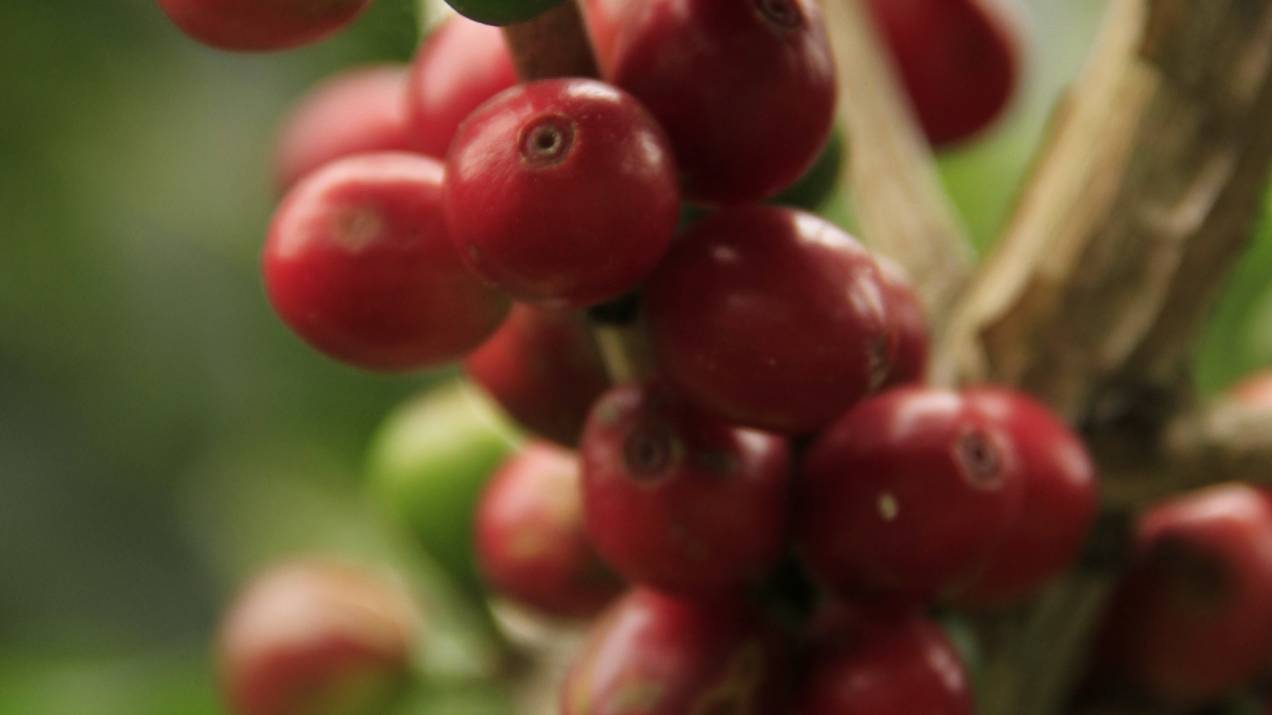
Colombian Green Coffee Types for Export
Colombia offers a broad supply of green coffee for export, featuring diverse varieties, growing regions, post-harvest processes, and quality tiers. This diversity enables international roasters, importers, distributors, and brands to source products precisely aligned with their target market needs and cup profile standards.
For an international buyer, understanding the different types of Colombian green coffee is essential before requesting quotations or selecting a supplier. Not all coffees share the same traits, and factors such as origin, variety, processing method, grade, and volume availability directly impact both product performance and landed pricing.
In this guide, you will find the main categories of Colombian green coffee available for export and the key factors to evaluate before executing an international purchase.
What is Colombian green coffee for export?
Green coffee refers to raw coffee beans that have been processed post-harvest but have not yet undergone roasting. It serves as the primary raw material used by roasters to craft specific flavor profiles and commercial coffee lines.
Colombian green coffee intended for export is commercialized under various quality specifications, origins, varieties, and processing methods. Depending on individual lot characteristics, cargo can be targeted toward commercial, premium, or specialty market segments.
For this reason, when buyers submit sourcing requests for Colombian green coffee, defining exact technical and sensory parameters upfront ensures accurate supplier matching.
What are the main types of Colombian green coffee?
Colombian green coffee types can be classified from several perspectives. For international buyers, the most relevant criteria include physical grade tier, origin region, botanical variety, processing method, and sensory profile.
Key export options include:
- Commercial green coffee.
- Excelso coffee.
- Specialty coffee.
- Regional single-origin coffee.
- Single-estate / Farm-specific coffee.
- Varietal-specific coffee.
- Washed process coffee.
- Natural process coffee.
- Honey and experimental process coffee.
- Blend-grade green coffee.
These classifications frequently overlap. For example, a single lot can be graded as Excelso, originate from Huila, consist of a specific variety, and undergo a specialized natural fermentation process.
Commercial Colombian Green Coffee
Commercial green coffee primarily caters to high-volume buyers seeking a consistent raw material base for large-scale production.
This product type is typically utilized by commercial roasters, food and beverage manufacturers, distributors, and private-label brands requiring continuous, predictable supply lines.
When selecting commercial coffee, buyers should prioritize supply continuity, physical bean specifications, volume availability, and vendor logistics execution capacity.
Colombian Excelso Coffee
The term Excelso coffee is widely used across the global coffee trade to designate export-grade Colombian green coffee that meets specific physical screen sizing and defect grading standards.
It is important to note that "Excelso" refers primarily to a physical bean size and grading standard under Colombian export regulations, rather than an automatic indicator of specialty sensory quality.
Buyers sourcing Excelso coffee should request detailed specification sheets from suppliers covering screen size ratios, defect counts, moisture content, origin region, and cupping scores.
To learn more about this category, read our detailed guide on Colombian Excelso Coffee: Characteristics, Quality, and Exporting.
Colombian Specialty Coffee
Colombian specialty coffee is defined by distinct sensory attributes, clean physical grading, and high cupping scores recognized by professional coffee buyers worldwide.
This segment encompasses diverse origins, high-altitude microclimates, rare varieties, and specialized processing. Standardized cupping evaluations are essential to verify that a lot meets target flavor profiles.
International buyers utilize specialty green coffee to build premium single-origin lineups, boutique roaster offerings, or high-value product lines targeted at discerning consumers.
Colombian Single-Origin Coffee
Geographical origin is one of the strongest tools for differentiating Colombian coffee. Colombia features diverse growing regions characterized by distinct altitudes, soil profiles, and microclimates.
Key Colombian coffee-growing regions producing distinct cup profiles include:
- Antioquia.
- Huila.
- Caldas.
- Quindío.
- Risaralda.
- Tolima.
- Cauca.
- Nariño.
- Santander.
- Norte de Santander.
For international buyers, origin storytelling and regional flavor profiles add significant brand equity and market differentiation on consumer-facing packaging.
Green Coffee by Variety
Botanical coffee variety heavily influences cup complexity, acidity structures, and body. Depending on the producer and region, buyers can source varietal-specific lots for both commercial and specialty channels.
Common varieties cultivated across Colombia include:
- Caturra.
- Castillo.
- Colombia.
- Typica.
- Tabi.
- Gesha (Geisha).
Varietal availability depends on regional harvesting calendars, farm altitude, and total lot volumes produced per crop cycle.
When seeking specific varieties, buyers should request pre-shipment samples to verify physical screen uniformity and sensory characteristics prior to contracting bulk volumes.
Washed Green Coffee
Washed processing (wet process) is the traditional and predominant post-harvest method utilized in Colombia. This process involves depulping the coffee cherry, fermenting to break down mucilage, and washing the beans prior to controlled drying.
Washed coffees generally yield clean, crisp cup profiles with bright acidity and clear flavor articulation, though final sensory traits remain dependent on terroir and variety.
This process represents the benchmark standard for buyers requiring high consistency and clean cup profiles across shipments.
Natural Green Coffee
In the natural process (dry process), harvested coffee cherries are dried whole with the fruit pulp intact before hulling.
This method imparts unique sensory characteristics distinct from washed coffees, often developing pronounced fruit forwardness, elevated sweetness, heavier body, and complex aromatic intensity.
Importers purchasing natural coffees should thoroughly evaluate sample lots, as processing variables create significant profile shifts between producers and harvests.
Honey and Experimental Process Green Coffee
Beyond traditional methods, progressive Colombian producers utilize controlled fermentations and honey processes (Yellow, Red, Black Honey) where varying amounts of mucilage are left on the bean during drying.
These techniques alter sugars and organic acids within the bean, creating exotic flavor notes tailored for high-end specialty and competition coffee markets.
Buyers should request detailed technical datasheets covering fermentation hours, drying conditions, and moisture stability parameters for experimental lots.
Colombian Green Coffee for Blends
Roasters frequently source Colombian green coffee as a core component for espresso and house blends. Colombian coffee provides exceptional balance, sweetness, and acidity structure to anchor complex roast formulations.
Sourcing programs for blending applications may combine different regional origins or commercial grades to achieve a fixed target cup profile at a target price point.
For blend sourcing, lot-to-lot consistency and year-round volume availability are just as critical as initial sensory performance.
Comparison of Colombian Green Coffee Types
| Coffee Type | Key Characteristic | Primary Application |
|---|---|---|
| Commercial | High volume availability and supply continuity | Large-scale commercial roasting and retail lines |
| Excelso | Standardized export physical screen grading | Standard export, commercial blends, and roasting |
| Specialty | Differentiated cup profile and high cupping score | Specialty roasters and premium product lines |
| Single-Origin | Traceable regional or farm provenance | Origin-focused retail coffees and boutique lines |
| Washed | Clean profile, bright acidity, high consistency | Versatile roasting across all market segments |
| Natural | Fruity aroma, pronounced sweetness, full body | Specialty single-origins and featured offerings |
| Honey | Balanced sweetness and complex acidity | High-end specialty and specialty cafe lines |
These categories are mutually compatible. A single green coffee lot may combine specific origin credentials, Excelso physical sizing, varietal focus, and specialized post-harvest processing.
How to choose the right type of Colombian green coffee?
Selection begins with defining the end-product requirements. A commercial roaster developing an espresso base operates under different parameters than a specialty brand launching an exclusive micro-lot release.
Prior to selecting a product, define:
- Target market segment.
- Desired cup profile / score range.
- Required volume per shipment.
- Purchasing frequency (one-off vs. contract).
- Target FOB/CIF price range.
- Preferred origin region.
- Variety and process specifications.
- Packaging specifications (GrainPro, vacuum, jute).
- Destination country import standards.
Clear procurement criteria streamline supplier inquiries and enable straightforward quotation comparisons.
What information should you request from a green coffee supplier?
Before confirming an international purchase, request comprehensive technical data to evaluate product quality and commercial viability.
| Information Field | Importance for the Buyer |
|---|---|
| Origin / Altitude | Verifies exact regional provenance and growing conditions |
| Botanical Variety | Identifies genetic profile and expected cup traits |
| Processing Method | Confirms post-harvest handling (Washed, Natural, Honey) |
| Physical Grade / Defects | Details screen size ratio, defect count, and moisture content |
| Cup Profile / Score | Establishes sensory performance and target cupping notes |
| Available Volume | Confirms immediate supply capacity and lot availability |
| Pricing & Currency | Allows precise comparison across vendor quotes |
| Incoterm Offered | Defines freight responsibility, insurance, and transfer of risk |
| Evaluation Sample | Validates physical quality and sensory profile prior to contract execution |
Why request green coffee samples before importing?
Sample evaluation is vital when contracting coffee shipments. Buyers perform physical bean analysis, sample roasting, and standardized cupping tests before approving commercial orders.
Pre-shipment samples confirm whether green coffee matches supplier specifications, moisture limits, screen size, and target cup profiles.
For ongoing supply programs, approved samples serve as the legal quality benchmark for checking future container deliveries.
What factors influence Colombian green coffee prices?
Green coffee pricing fluctuates based on global commodity markets (NY C-Contract base), local differentials, and intrinsic lot quality.
Primary pricing factors include:
- Physical quality and defect grade.
- Geographical origin and micro-lot status.
- Botanical variety.
- Processing complexity (e.g., Anaerobic, Natural vs. Washed).
- Sensory cup score.
- Physical screen sizing classification.
- Harvest availability and seasonality.
- Order volume.
- Specialized packaging (e.g., GrainPro, Ecotact, vacuum packaging).
- International C-market futures price.
- Contracted Incoterm (FCA, FOB, CIF).
- Freight and destination logistics cost.
Comparing unit costs without accounting for delivery terms, packaging liners, and physical grades leads to inaccurate financial projections.
How is green coffee exported from Colombia?
Exporting green coffee requires strict adherence to regulatory standards established by the Colombian Coffee Growers Federation (FNC) alongside export logistics execution.
Standard export operations involve:
- Setting detailed green coffee contract specifications.
- Vendor sourcing and contract negotiation.
- Requesting and receiving commercial quotations.
- Pre-shipment sample dispatch.
- Physical green grading and cupping approval.
- Contract execution and commercial confirmation.
- Dry milling, grading, and protective packaging.
- FNC export registration, inspection, and certification.
- Inland transport from dry mill to Colombian port.
- Port operations and export customs clearance.
- International ocean or air freight transit.
- Import customs clearance and inland delivery at destination port.
Documentation requirements vary based on destination market regulations, volume, Incoterm, and shipping mode.
Which Incoterm to use for purchasing Colombian green coffee?
Incoterms define the cost distribution, operational duties, and risk transfer points between the seller and international buyer.
| Incoterm | Operational Overview |
|---|---|
| FCA | Ideal when buyers manage main international freight and insurance from origin warehouse or mill. |
| FOB | Seller covers inland freight, export clearance, and loading cargo onto the vessel at the Colombian port. |
| CIF | Seller arranges and pays for ocean freight and marine insurance to the named destination port. |
Buyers should compare supplier quotations using identical delivery terms to determine true landed acquisition costs accurately.
How to transport Colombian green coffee for export?
Colombian green coffee is transported internationally via sea or air freight based on shipment volume, coffee value, budget, and transit schedules.
For commercial containerized volumes (FCL/LCL), ocean shipping is the primary freight method. For high-value micro-lots, urgent samples, or small specialty batches, air freight provides rapid transit.
Logistics execution must account for internal trucking, moisture-resistant packaging liners, port handling fees, marine insurance, ocean tariffs, and destination handling charges.
How to choose a Colombian green coffee supplier?
Evaluate vendors based on product quality standards alongside their administrative and export capabilities:
- Commercial track record in international trade.
- FNC export registration and regulatory compliance.
- Supply volume capacity and lot availability.
- Physical and sensory quality control standards.
- Speed and reliability of sample dispatch.
- Documentary accuracy and administrative support.
- Inland and port logistics execution capabilities.
- Lot-to-lot consistency guarantees.
- Clear, transparent commercial terms.
The optimal supplier is one that consistently fulfills technical specifications while executing export logistics cleanly and transparently.
Common Mistakes When Sourcing Colombian Green Coffee
Purchasing based solely on price
Selecting green coffee purely on low price often results in high defect counts, unstable moisture levels, or inconsistent flavor performance that harms brand value.
Skipping pre-shipment sample testing
Executing commercial contracts without sample cupping and physical analysis increases the risk of receiving cargo that fails product expectations.
Ignoring cup profile requirements
Failing to establish clear sensory benchmarks before soliciting quotes leads to mismatched supplier proposals and delayed procurement timelines.
Confusing physical grade with sensory quality
Assuming a physical size classification (like Excelso) automatically guarantees a high cupping score can lead to misplaced product expectations.
Overlooking long-term supply capacity
Contracting a lot without confirming the vendor's seasonal capacity can cause supply disruptions when scaling up product lines.
Failing to calculate landed costs
Evaluating origin prices without factoring in inland freight, port fees, ocean tariffs, insurance, and import taxes distorts budget planning.
How to establish a Colombian green coffee sourcing program?
Importers, roasters, and distributors with recurring volume needs benefit from establishing structured supply programs with Colombian vendors.
A supply program defines:
- Coffee type and physical grading standards.
- Target origin regions.
- Specified varieties and processes.
- Cupping profile and score parameters.
- Physical quality tolerances.
- Volume per shipment container.
- Purchasing and dispatch schedule.
- Pricing mechanisms (Fixed vs. Differential).
- Packaging specifications.
- Agreed Incoterm.
- Port of loading and destination port.
- Customs and documentary requirements.
Standardizing these operational parameters simplifies ongoing purchasing and protects batch-to-batch product consistency.
Colombian Green Coffee Types for Export with Nextstop Trading
Nextstop Trading operates as a supplier and commercial partner delivering Colombian agricultural and food products to international buyers. Our operation facilitates direct access for roasters, importers, distributors, and food manufacturers seeking reliable supply solutions from Colombia.
We evaluate inquiries for Colombian green coffee for export tailored to coffee type, origin region, variety, post-harvest process, physical grade, target volume, packaging, commercial terms, and destination port.
If your company is seeking a reliable supplier of Colombian green coffee for export, share your requirements with our team to evaluate customized supply options from Colombia.
Looking for Wholesale Colombian Green Coffee for Export?
Share your required coffee type, origin preference, variety, process, target volume, technical specifications, packaging choice, and destination country with our team. We will evaluate your request to present a tailored green coffee supply proposal from Colombia.
Frequently Asked Questions About Colombian Green Coffee Types
What are the main types of Colombian green coffee?
Primary categories include commercial green coffee, Excelso coffee, specialty coffee, single-origin coffees, specific varietals, and coffees processed via washed, natural, or honey methods.
What is Colombian Excelso coffee?
Excelso is an export grading classification used in the Colombian coffee trade to identify green coffees that meet specific physical screen size ratios and defect count standards.
Is Excelso coffee always specialty coffee?
Not necessarily. Excelso defines physical bean sizing and defect parameters, whereas specialty status depends on sensory evaluation, cupping scores, and distinct flavor attributes.
What coffee varieties are grown in Colombia?
Common varieties cultivated in Colombia include Caturra, Castillo, Colombia, Typica, Tabi, and Gesha, depending on the growing region and farm altitude.
What processing methods are used for Colombian green coffee?
Buyers can source coffees processed via traditional washed methods, natural whole-cherry drying, various honey styles, and specialized controlled fermentation techniques.
Can I request green coffee samples before buying container volumes?
Yes. Ordering samples allows buyers to perform physical analysis, sample roasting, and cupping evaluations prior to confirming commercial volume contracts.
What details should I request from a green coffee supplier?
Request origin, variety, process, physical grade, cupping score, moisture content, screen size, defect limits, available volume, packaging, price quote, Incoterm, and regulatory certificates.
Can I buy Colombian green coffee in bulk wholesale quantities?
Yes. Suppliers handle orders ranging from partial pallet lots and micro-lots up to full 20ft/40ft container loads based on customer volume needs.
How is green coffee exported from Colombia?
Export operations encompass supplier selection, sample cupping approval, contract confirmation, milling, FNC certification, customs clearance, inland transport, and ocean or air shipping.
