
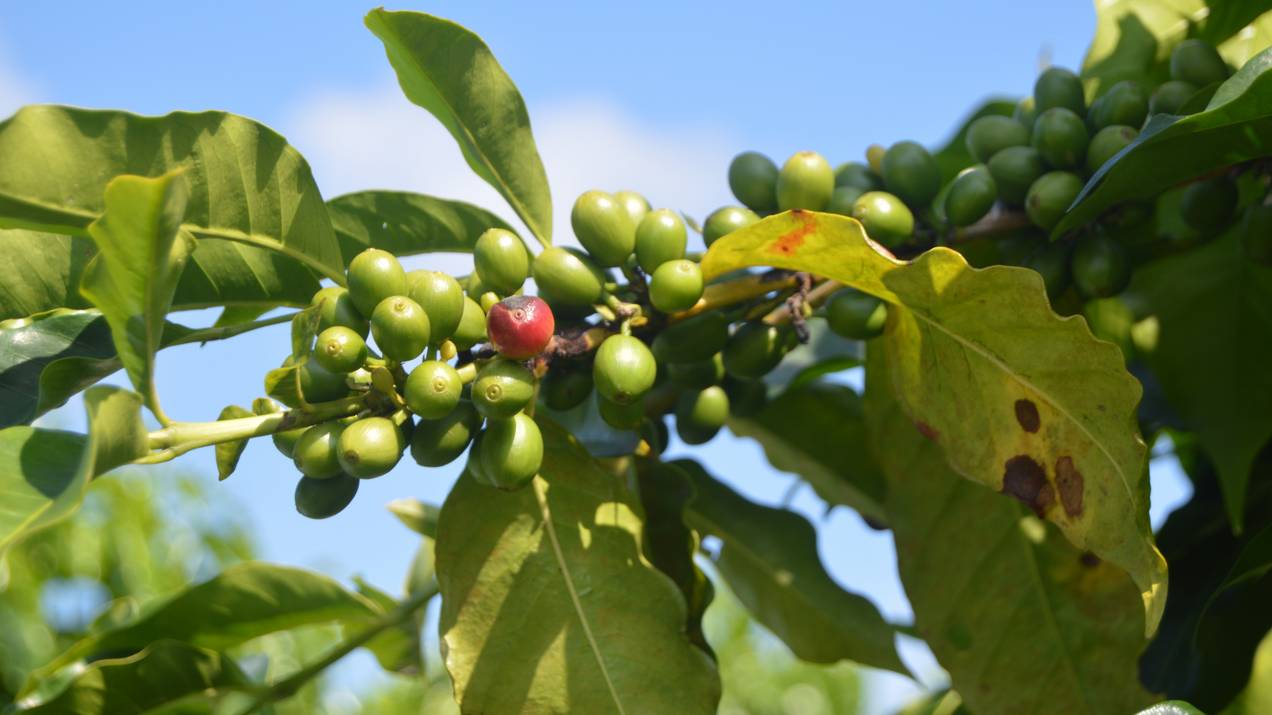
Colombian Green Coffee for Roasters: How to Choose the Right Product
Choosing Colombian green coffee for roasters requires analyzing much more than just the price per kilogram. The origin, variety, process, physical quality, cup profile, consistency, and coffee availability directly impact the final product after roasting. For a roaster, correctly selecting the raw material is essential to developing competitive products and maintaining consistent quality.
Colombia offers a wide variety of green coffees from different producing regions. This diversity makes it possible to find options for various product profiles, ranging from commercial coffees for high-volume needs to differentiated and specialty coffees.
In this guide, you will find the main criteria a roaster should consider when buying Colombian green coffee, how to evaluate samples, what information to request from a supplier, and how to select a coffee that fits your business needs.
Why is it important to choose the right green coffee for roasting?
Green coffee is the raw material upon which a roaster builds the final product profile. Although the roasting process can significantly transform the bean's characteristics, the properties of the origin coffee set an important baseline for the cup result.
Proper selection helps the roaster achieve a consistent product aligned with consumer expectations. Conversely, purchasing coffee based solely on price can cause batch variations, roasting difficulties, or a cup profile that fails to meet expectations.
For this reason, purchasing green coffee should be treated as a strategic sourcing and quality decision, rather than a simple raw material acquisition.
What should a roaster evaluate when buying Colombian green coffee?
Before selecting a coffee, the roaster should define the specific characteristics required for their product. Key factors to evaluate include:
- Origin region.
- Variety.
- Process.
- Altitude.
- Physical quality.
- Moisture content.
- Bean size (screen size).
- Defect count.
- Cup profile.
- Availability.
- Volume.
- Batch-to-batch consistency.
Not all of these factors carry the same weight for every roaster. A company specializing in single-origin coffees may prioritize different attributes than a company requiring high volumes for mass-market consumption lines.
Which regions in Colombia produce coffee for roasters?
Colombia has numerous coffee-producing regions. Among the regions commonly available to international buyers are Antioquia, Huila, Caldas, Quindío, Risaralda, Tolima, Cauca, Nariño, and Santander, among others.
Geographical, climatic, and processing conditions contribute to distinct differences in coffee attributes. As a result, regional origin serves as a valuable tool for roasters seeking to develop specific profiles.
However, region alone does not guarantee quality. It is equally necessary to analyze the variety, process, farm management practices, and physical and sensory attributes of the specific lot.
How does coffee variety influence selection?
Variety is another key element that influences the characteristics of green coffee. Different varieties exhibit distinct roasting behaviors and sensory attributes, depending on growing and processing conditions.
For a roaster, knowing the variety helps in better understanding the evaluated lot and setting reliable benchmarks for future purchases.
When developing a differentiated coffee line, the variety can form an essential part of the product's story and consumer communication.
What is the importance of green coffee processing?
Post-harvest processing significantly affects the sensory characteristics of the coffee. The Colombian coffee market offers various processing methods that create unique profiles.
For a roaster, understanding the process provides additional reference points when evaluating samples and comparing different lots.
Processing must be analyzed alongside origin, variety, and cup profile, as these elements interact to define the coffee available for roasting.
How to evaluate green coffee physical quality?
Prior to making a bulk purchase, the roaster should assess the physical condition of the green coffee. This evaluation provides vital insight into the lot's freshness, condition, and uniformity.
Key aspects to review include:
| Aspect | What to Evaluate |
|---|---|
| Moisture Content | Moisture percentage and uniformity throughout the lot |
| Bean Size | Screen size uniformity and classification |
| Defects | Quantity and type of primary and secondary defects |
| Color | Overall visual appearance and color uniformity |
| Uniformity | Consistency of beans within the submitted sample |
Physical inspection does not replace sensory evaluation, but it helps identify structural variations between samples and suppliers.
Why is the cup profile essential for a roaster?
The cup profile is one of the most critical elements in determining if green coffee is suited for a target product. Roasters look for specific balances of aroma, acidity, body, sweetness, and flavor notes.
The importance of each sensory attribute depends on the target market and the specific profile the brand aims to build.
For example, a roaster might seek a balanced, reliable coffee for an everyday blend, while targeting vibrant sensory scores for a specialty single-origin offering.
Why should roasters request green coffee samples?
Requesting samples prior to committing to a bulk volume is a best practice for evaluating new suppliers or products.
Sample testing allows the roaster to conduct sample roasts and cup the coffee to observe its behavior and taste. This confirms whether the coffee aligns with required technical specifications.
Furthermore, an approved sample serves as a physical quality standard against which commercial shipments can be compared upon delivery.
Before approving a sample, it is best to document all evaluated parameters to streamline comparisons across potential options.
How to perform a sample roast test?
Roast profiling tests reveal how the green coffee responds to heat application, helping identify its potential to develop the desired cup attributes.
Key parameters during evaluation include:
- Roast development rate.
- Bean uniformity during roast.
- Aroma.
- Acidity.
- Body.
- Sweetness.
- Flavor notes.
- Balance.
- Aftertaste / Persistence.
- Overall cup score.
Specific testing criteria depend on the roaster’s internal lab standards and evaluation methodologies.
How to select Colombian green coffee based on the end product?
The ideal coffee depends heavily on the finished product line being developed. There is no single green coffee that fits every commercial application.
| Product Category | Roaster Priorities |
|---|---|
| Mass-Market Coffee | Consistency, high availability, and cost competitiveness |
| Specialty Coffee | Unique cup profile, origin, variety, process, and full traceability |
| Blend Components | Flavor compatibility with other origins and profile stability |
| Private Label | Quality standards, steady volume, and supply continuity |
Defining the final product specification upfront prevents time spent searching for coffees that do not meet your operational model.
What should a roaster ask a coffee supplier?
Before approving a lot, the buyer should collect sufficient details to verify product quality and supplier capabilities.
Essential questions include:
- What is the exact origin of the coffee?
- What is the variety?
- What post-harvest process was used?
- What is the physical quality grade of the lot?
- What is the cup profile and score?
- What volume is currently available?
- What is your ongoing supply capacity?
- What packaging options are available?
- Can pre-shipment samples be provided?
- What is your export experience?
- Which Incoterms can you quote?
- Which export port will be used?
- What export documentation can you supply?
Clear responses enable objective comparisons across vendors and ensure the supplier can fulfill the order requirements.
How to evaluate coffee consistency across different lots?
Consistency is vital for roasters marketing branded products with defined flavor profiles, as customers expect reliable quality with every purchase.
Because of this, buyers must assess not only a single sample, but also the supplier's capacity to maintain identical specifications across future shipments.
Establishing agreed quality parameters and physical standard references helps safeguard ongoing supply agreements.
What volume of green coffee can a roaster buy?
Purchasing volumes depend on the roaster’s inventory needs and the supplier's production scale, ranging from micro-lots to full container load (FCL) supply programs.
Before confirming an order, verify:
- Immediate lot volume availability.
- Monthly production capacity.
- Annual supply availability.
- Shipping frequency schedules.
- Future availability of the same lot/profile.
- Supplier's ability to maintain physical and cup specs.
For brands with continuous market demand, supply continuity is just as important as the sensory attributes of the initial order.
How to calculate total procurement cost for green coffee?
The FOB or green bean price per kilogram does not represent the final landed cost for a roaster. International supply chains require accounting for additional variables.
| Cost Component | Description |
|---|---|
| Green Coffee Price | Base price per spec sheet agreement |
| Packaging | Specialty liners (e.g., GrainPro) if not included in base pricing |
| Inland Freight | Transport from dry mill/warehouse to export port |
| Export Costs | Customs clearance, port handling, and FNC contributions |
| International Freight | Ocean or air freight transit charges |
| Insurance | Cargo insurance according to the chosen Incoterm |
| Import Expenses | Taxes, tariffs, and customs clearance at destination |
| Local Destination Freight | Port handling, warehousing, and final delivery to roastery |
Calculating total landed cost ensures fair price comparison across vendors and protects business profit margins.
Which Incoterm should a roaster use when purchasing Colombian coffee?
Incoterm selection dictates how risks, operational tasks, and transport costs are allocated between buyer and seller.
| Incoterm | General Feature |
|---|---|
| FCA | Ideal when the buyer handles international freight logistics and insurance directly. |
| FOB | Seller delivers cargo on board the vessel; buyer manages ocean freight and onward travel. |
| CIF | Seller covers ocean freight and freight insurance up to the named destination port. |
Comparing supplier offers on equal Incoterm terms is necessary to accurately determine real cost structures.
How to transport Colombian green coffee internationally?
Shipping methods depend on overall order volume, destination, timeline, and logistics budget. For commercial container volumes, ocean freight is the standard, cost-effective transport choice.
For small sample batches or urgent micro-lots, air freight provides rapid transit options.
Beyond main freight fees, account for inland drayage, customs brokerage, terminal charges, and transit insurance.
How to choose a Colombian green coffee supplier for roasters?
A reliable supplier must prove their capacity to deliver agreed quality while executing trade operations smoothly.
| Criterion | What to Evaluate |
|---|---|
| Quality | Physical bean grade and cup score consistency |
| Sampling | Prompt provision of representative samples prior to contract |
| Track Record | Commercial reputation and industry expertise in coffee |
| Export Capability | Proven experience servicing international coffee buyers |
| Supply Capacity | Scalability to fulfill requested volume schedules |
| Consistency | Ability to maintain identical specs across consecutive orders |
| Documentation | Efficiency in managing export paperwork and regulatory compliance |
| Logistics | Reliability in managing milling, bagging, and dispatch timelines |
Common Mistakes Roasters Should Avoid When Buying Green Coffee
Buying solely on price
The lowest price per kilo can result in higher overall costs if defects, inconsistency, or shipping delays damage final product reputation.
Skipping pre-purchase sample evaluation
Ordering bulk volumes without roasting and cupping samples significantly raises the risk of receiving coffee that fails to meet target profiles.
Failing to define a target profile
Searching for suppliers without predefined technical and sensory criteria makes it difficult to compare options effectively.
Neglecting supply continuity
A supplier might fulfill a single lot successfully, but lack the capacity to supply matching quality for ongoing monthly production.
Ignoring landed costs
Evaluating base prices without accounting for freight, duties, taxes, insurance, and handling distorts inventory budgets.
Overlooking destination import rules
Phytosanitary and import documentation rules vary by market; failing to verify them causes port delays and potential rejections.
How to build a long-term sourcing relationship?
When a roaster finds a green coffee supplier that satisfies quality and service requirements, setting up a recurring supply program is highly advantageous.
Contract terms should define:
- Coffee quality specifications.
- Target cup profile baseline.
- Order volume per shipment.
- Shipping schedule frequency.
- Pricing mechanism (fixed or market differential).
- Payment terms.
- Packaging specifications.
- Agreed Incoterm.
- Loading port.
- Destination port.
- Documentation and compliance requirements.
Clear contractual specifications simplify procurement logistics and protect product consistency over time.
Colombian Green Coffee for Roasters with Nextstop Trading
Nextstop Trading acts as a trader and supplier of Colombian export goods for global buyers. Our operations are tailored to connect coffee roasters, importers, distributors, and food companies with reliable supply chains from Colombia.
We evaluate inquiries for Colombian green coffee for roasters based on coffee grade, origin, quality, cup profile, volume, packaging needs, commercial terms, and target market requirements.
If your roasting business is seeking Colombian green coffee to launch or supply a product line, share your requirements with our team to explore tailored supply solutions.
Looking for Wholesale Colombian Green Coffee?
Share your required coffee type, estimated volume, quality specifications, packaging preferences, and destination country with our team. We will review your requirements to provide a tailored supply solution from Colombia.
Frequently Asked Questions About Colombian Green Coffee for Roasters
What should a roaster look for in Colombian green coffee?
Roasters should evaluate origin, variety, process, physical grade, moisture content, bean size, defect count, cup profile, availability, volume, and batch consistency.
Is it necessary to request samples before purchasing green coffee?
Yes. Sampling allows roasters to perform roast tests and cupping evaluations prior to placing commercial orders.
Which Colombian regions supply green coffee for roasters?
Colombia offers coffee from diverse regions, including Antioquia, Huila, Caldas, Quindío, Risaralda, Tolima, Cauca, Nariño, and Santander.
How do I know if a green coffee lot fits my product?
Compare the lot's physical and sensory parameters against your product specifications and perform sample roasts before approving purchase orders.
Can I purchase Colombian green coffee in wholesale quantities?
Yes. Suppliers cater to various shipment sizes depending on coffee availability and export capacity.
What determines the price of green coffee for roasters?
Prices are driven by quality grade, origin, variety, processing method, volume, market conditions (ICE C market), packaging, Incoterm, and shipping destination.
Which Incoterms can be used to purchase green coffee from Colombia?
Common options include FCA, FOB, and CIF, depending on how shipping responsibilities are allocated.
How is Colombian green coffee shipped for export?
Ocean freight is standard for commercial container volumes. Air freight is utilized for samples or micro-lots requiring rapid transit.
