
Blog
Bean, Rice, and Sugar Exporter from Colombia: What Importers Need to Know
Bean, Rice, and Sugar Exporter from Colombia: What Importers Need to Know
Beans, rice, and sugar are staple food products in many markets across Latin America, the Caribbean, Europe, and Africa. For importers seeking reliable suppliers, Colombia has become an attractive origin due to its strategic location, export experience, and availability of basic food products.
However, working with a bean, rice, and sugar exporter from Colombia requires a clear understanding of the commercial model, each party’s responsibilities, and the minimum requirements for a viable operation. This article explains everything an importer needs to know before starting a negotiation.
Colombia as an Origin for Bean, Rice, and Sugar Exports
Colombia offers favorable conditions for exporting basic food products:
- Stable agricultural production throughout the year.
- Access to seaports on both the Caribbean and Pacific coasts.
- Experience in regional and international exports.
- Capacity to handle commercial and recurring orders.
These advantages allow international importers to consider Colombia as a complementary or primary supplier for essential food products.
Types of Beans, Rice, and Sugar Exported from Colombia
Before contacting an exporter, it is important to clearly define the specific product to be imported.
Beans
- Different varieties depending on availability and destination market.
- Commercial sack presentations.
- Grading based on size, cleanliness, and moisture content.
Rice
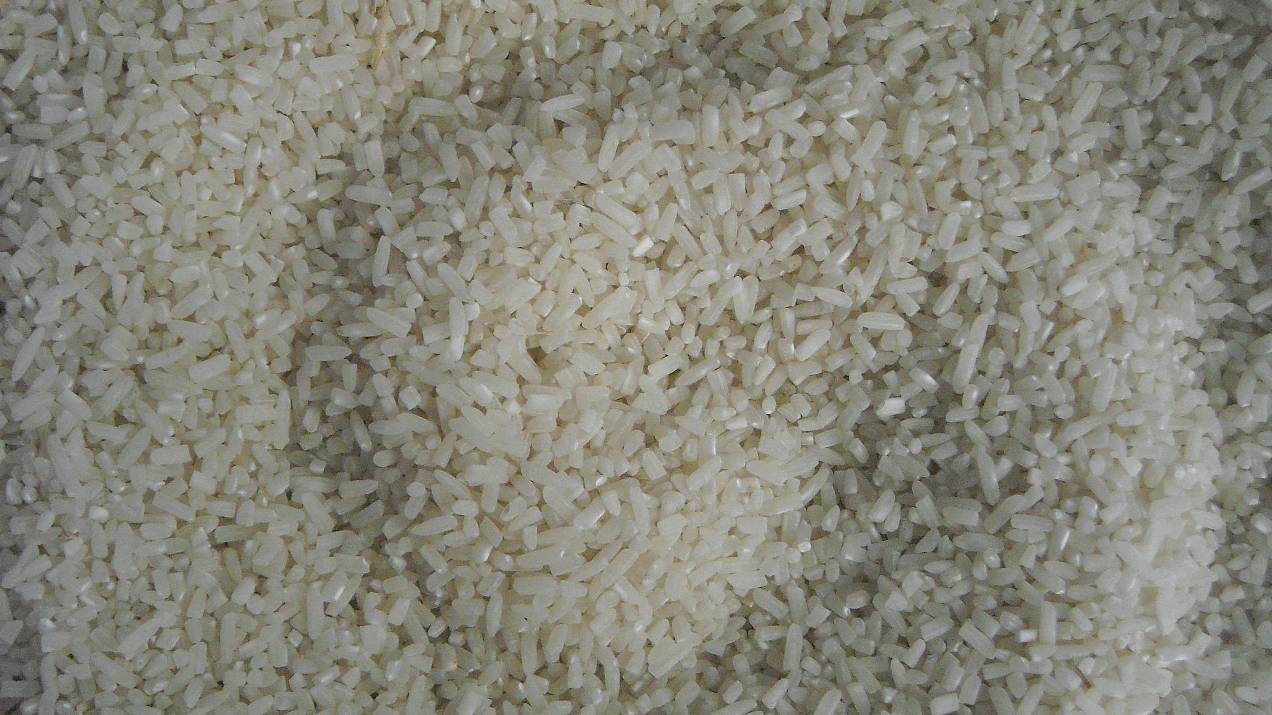
- White rice or broken rice, according to specifications.
- Bulk or bagged presentations.
- Quality parameters defined by contract.
Sugar
- White or raw sugar.
- For direct consumption or industrial use.
- Export-grade commercial packaging.
Defining these characteristics from the beginning helps avoid misunderstandings during negotiations.
The Role of the Commercial Exporter from Colombia
A commercial exporter of beans, rice, and sugar is responsible for selling and exporting the products from origin. Companies such as Nextstop Group fulfill this role, which involves:
- Not directly producing the food products.
- Consolidating supply from local producers and suppliers.
- Verifying commercial and documentary conditions.
- Managing the export process from Colombia.
The exporter ensures that the goods are legally shipped out of the country under the agreed terms.
What the Importer Must Have in Place?
For an international purchase operation to be viable, the importer must have:
- A legally established company.
- Legal capacity to import food products in their country.
- Knowledge of local sanitary and regulatory requirements.
- A customs broker or logistics partner at destination.
- Financial capacity for international transactions.
It is important to understand that the exporter does not manage the import process in the destination country.
Common Documents in Bean, Rice, and Sugar Exports
In a standard export operation from Colombia, the most common documents include:
- Commercial invoice.
- Packing list.
- Transport document (Bill of Lading).
- Sanitary or phytosanitary certificates, when applicable.
- Certificate of origin, if required by the destination country.
The importer must confirm in advance which documents are required by customs and food authorities in their country.
Logistics and International Transportation
The export of beans, rice, and sugar from Colombia is mainly carried out by sea freight, especially when handling commercial volumes.
Key logistics aspects include:
- Port of departure in Colombia.
- Port of destination.
- Type of container (dry, ventilated).
- Stowage and packaging conditions.
- Agreed Incoterm.
Proper logistics planning is essential to avoid additional costs.
How to Structure a Negotiation with a Colombian Exporter?
To move forward with a commercial negotiation, the importer must provide clear information:
- Specific product and technical specifications.
- Required volume and purchase frequency.
- Destination country and port.
- Preferred Incoterm.
- Payment terms.
The more complete the information, the faster and more accurate the quotation process will be.
Common Mistakes When Importing Beans, Rice, and Sugar
- Assuming the exporter also handles importation at destination.
- Failing to verify local sanitary requirements.
- Requesting quotations without clear specifications.
- Ignoring total logistics and landed costs.
Avoiding these mistakes helps build stable and sustainable commercial relationships.
Conclusion
Working with a bean, rice, and sugar exporter from Colombia is a strategic opportunity for importers seeking reliable suppliers of basic food products. However, the success of the operation depends on the importer’s ability to manage the import process in their country and clearly understand the exporter’s role.
When both parties have well-defined responsibilities, the commercial relationship can grow in an organized and profitable manner.
Looking for a Bean, Rice, and Sugar Exporter from Colombia?
If your company has the capacity to import food products in its destination country and is interested in working with a commercial exporter from Colombia, Nextstop Group can support you throughout the export process from origin.
Contact us here to evaluate your commercial requirements.
