
Blog
B2B Food Exporting from Colombia to the USA
B2B Food Exporting from Colombia to the USA
B2B food exporting has become a strategic solution for supermarkets, ethnic grocery stores, and distributors in the United States looking to source staple food products efficiently, competitively, and with reduced operational complexity. Colombia stands out as a reliable origin for this type of commercial operation.
For small and medium-sized companies, working with a B2B food exporter from Colombia to the USA allows access to high-turnover products without directly managing the complexities of international trade.
What Is B2B Food Exporting?
B2B (business-to-business) food exporting refers to commercial operations between companies, where the supplier exports products to supermarkets, ethnic grocery stores, or distributors rather than to the final consumer.
This model focuses on volume, supply continuity, regulatory compliance, and logistics efficiency—key factors for the U.S. retail channel.
Why Colombia Is a Strategic Origin for B2B Exporting?
Colombia offers clear advantages for B2B food exports to the United States:
- Consistent supply of staple and dry food products.
- Ports with direct maritime routes to the USA.
- Export experience in the food sector.
- Competitive sourcing costs compared to other origins.
These conditions make it possible to build stable and scalable commercial relationships.
B2B Food Products Exported from Colombia to the USA
B2B food exports from Colombia focus on high-demand, long shelf-life products that are ideal for supermarkets and ethnic food retailers. The most requested products include:
- Rice.
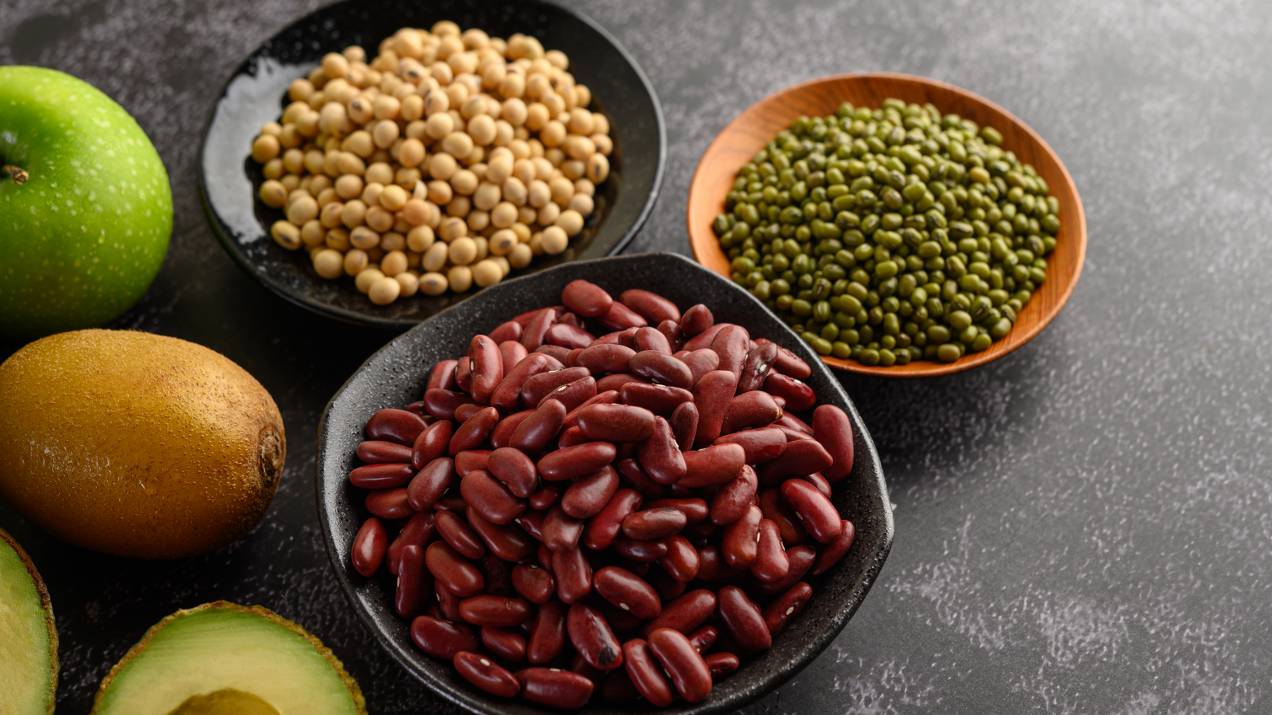
- Beans and legumes.
- Sugar.
- Other dry staple foods.
These products offer consistent turnover and year-round consumption.
Requirements for B2B Food Exporting to the USA
B2B food exports to the U.S. market must comply with current federal regulations. Key requirements include:
- FDA registration for exporters and products.
- Compliance with the Food Safety Modernization Act (FSMA).
- U.S.-compliant food labeling.
- Complete export documentation.
- Traceability systems depending on the product type.
Strict compliance with these requirements is essential to avoid delays or holds at U.S. ports.
Logistics in B2B Food Exporting
Logistics is a critical component of B2B food exporting. From Colombia, most shipments move by sea using dry containers for non-perishable products.
Key logistics considerations include:
- Volume planning based on client demand.
- Cargo consolidation to optimize freight costs.
- Proper packaging for international transit.
- Coordination of deliveries to ports or distribution centers.
Well-structured logistics ensure efficiency and continuity in supply.
B2B Exporting Without the Buyer Importing Directly
Many supermarkets and ethnic grocery stores prefer to purchase imported food products without acting as the importer of record. Under this model, the B2B exporter manages the entire export and import process.
The buyer receives products ready for commercialization in the United States, reducing regulatory risk and administrative burden.
Advantages of the B2B Model for Supermarkets and Distributors
B2B food exporting offers clear benefits:
- Direct access to product origin.
- More competitive pricing through volume purchasing.
- Stable and reliable supply.
- Flexibility for generic or private label products.
- Reduced operational complexity.
This allows buyers to focus on sales and business growth.
Nextstop Group as a B2B Food Exporter
Nextstop Group is a Colombia-based company specialized in international B2B food exporting and sourcing. The company does not manufacture food products; instead, it acts as a strategic partner connecting supermarkets, ethnic grocery stores, and distributors in the United States with reliable suppliers in Colombia.
Its experience in the U.S. market enables solutions for both companies that import directly and those that prefer to receive imported food products without managing the import process.
Conclusion
B2B food exporting from Colombia to the USA is an efficient solution for companies seeking reliable sourcing, competitive pricing, and reduced operational complexity.
Working with a specialized exporter simplifies regulatory compliance, optimizes logistics, and reduces commercial risk.
Contact us here to learn how to structure a B2B food export operation from Colombia to the United States.
